Why Are Threaded Rubber Expansion Joints Ideal for Small Diameter Pipeline Systems?
Small diameter pipelines often face vibration, noise, and thermal stress, which damage pumps and equipment. Threaded rubber expansion joints effectively solve these problems.
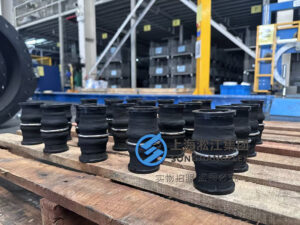
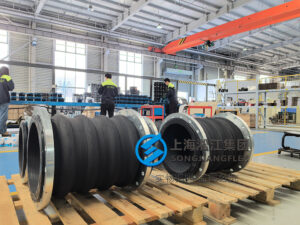
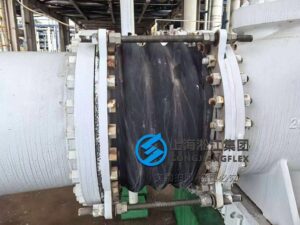
Threaded rubber expansion joints, or flexible pipe connectors, absorb vibration, reduce noise, and compensate for pipe displacement. They are easy to install and ideal for small diameter pipelines, pump systems, HVAC pipelines, and industrial water systems, providing reliable vibration isolation and equipment protection.
Let’s explore why these joints are perfect for small diameter pipelines and their key applications.
1. Common Issues in Small Diameter Pipelines
Small diameter pipelines in pump systems, HVAC units, or industrial water networks are prone to vibration, pressure fluctuations, and thermal expansion, causing leaks or connection failures.
Threaded rubber expansion joints absorb vibration and compensate for displacement, protecting small diameter pipelines and connected equipment. They extend system life and reduce maintenance needs.
Traditional welded or flanged connections can be bulky and difficult to install in tight spaces. Threaded rubber expansion joints offer compact size and flexible installation, ideal for industrial water systems or HVAC duct pipelines. By reducing maintenance frequency, they minimize downtime and improve operational efficiency.
2. Installation Advantages of Threaded Rubber Expansion Joints
Compared to flanged or welded joints, threaded rubber expansion joints are quick to install, especially in small diameter pipelines used in industrial systems.
No welding or heavy tools are required. The threaded design ensures a reliable, leak-free connection suitable for pump systems, HVAC pipelines, and industrial water networks, saving both time and labor costs.
In small diameter systems, space constraints make traditional methods impractical. Threaded rubber expansion joints enable fast, secure installation even in confined areas. Maintenance is simplified, and workers require minimal specialized training. Many clients in the Middle East and Europe appreciate this advantage for urgent projects and seasonal peak operations.
3. Vibration and Noise Control
Pumps and fans in small pipeline systems generate vibration and noise, reducing equipment lifespan and disturbing nearby operations.
The flexible rubber body of the threaded expansion joint absorbs mechanical vibration and reduces noise, providing vibration isolation for small diameter pipelines, HVAC systems, and industrial water pipelines.
Rubber joints with high damping properties isolate vibration sources effectively. In pump stations, HVAC ductwork, or mechanical rooms, they minimize mechanical stress on pipelines and equipment. This ensures quieter operation, less wear, and extended service life, especially critical for sensitive industrial equipment like generators or test benches.
4. Thermal Expansion and Displacement Compensation
Small diameter pipelines experience significant expansion or contraction with temperature changes, risking deformation, leaks, or equipment stress.
Threaded rubber expansion joints compensate for axial, lateral, and angular displacement, allowing small diameter pipelines to safely expand and contract without damaging pumps, valves, or other connected mechanical equipment.
In industrial water systems, HVAC pipelines, or pump networks, thermal fluctuations are common. Threaded rubber joints provide elastic buffering, letting pipes move freely without stressing connections. This is especially valuable in small diameter systems with frequent start-stop cycles or temperature changes, ensuring long-term reliability and minimal maintenance.
Summary
Compact, flexible, and durable, threaded rubber expansion joints provide vibration isolation, noise reduction, and displacement compensation—making them perfect for small diameter pipeline systems.