Why Are Custom PTFE Lined Bellows the Best Choice for Acid, Alkali, and Corrosion-Resistant Piping Systems?
Corrosive media can quickly damage ordinary pipeline components. Leaks, shutdowns, and frequent replacement only increase maintenance costs and operational risks. For industrial users working in harsh environments, choosing the right pipeline component is essential. Custom PTFE lined bellows provide a more durable, reliable, and application-specific solution.
Custom PTFE lined bellows are widely used in acid, alkali, and corrosion-resistant piping systems because PTFE offers excellent chemical resistance, while the bellows structure helps absorb movement, vibration, and thermal expansion. With custom design, these bellows can also match specific pipe sizes, pressure ratings, flange standards, and working media, helping ensure safer and longer-lasting system performance.
If you want to improve pipeline reliability in corrosive service conditions, it is important to understand what PTFE lined bellows are, why they work so well, and how customization can improve your project.
What Are Custom PTFE Lined Bellows?
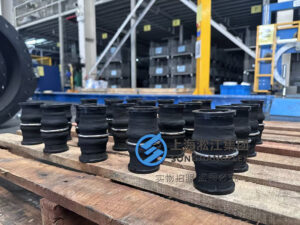
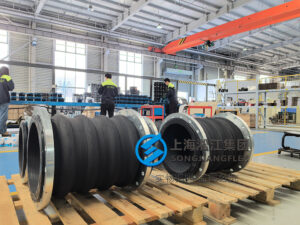
Custom PTFE lined bellows are flexible pipeline components designed for applications where both corrosion resistance and movement compensation are required.
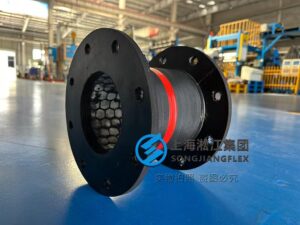
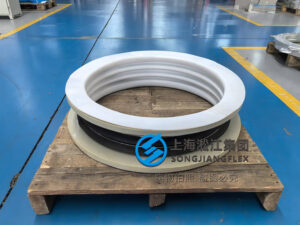
A PTFE lined bellows typically includes a chemically resistant PTFE inner lining and a structural outer bellows body. This design helps protect the internal flow path from aggressive media while allowing the component to absorb axial movement, lateral displacement, vibration, and thermal expansion.
In industrial piping systems, corrosive liquids can quickly attack ordinary materials and lead to premature failure. The PTFE lining acts as a protective barrier between the conveyed medium and the bellows body, helping reduce chemical damage and extend service life. At the same time, the flexible bellows structure helps compensate for movement in the pipeline and reduces stress on connected equipment.
Because operating conditions vary from one project to another, custom PTFE lined bellows are often preferred over standard models. They can be designed according to actual installation space, flange standards, pressure conditions, and media requirements, making them especially suitable for chemical pipelines and corrosion-resistant piping systems.
How Does a PTFE Lined Bellows Work in Industrial Piping Systems?
A PTFE lined bellows works by combining chemical protection and mechanical flexibility in one component. The PTFE lining protects the inner surface from aggressive media, while the bellows structure absorbs movement caused by thermal expansion, vibration, or pipe displacement.
This dual-function design makes PTFE lined bellows especially valuable in applications where both corrosion resistance and system stability are required. Instead of relying on a standard connector, industrial users can install a component that helps protect the entire piping system over the long term.
Why Are PTFE Lined Bellows Ideal for Acid, Alkali, and Corrosive Media?
PTFE lined bellows are highly valued because PTFE performs extremely well in harsh chemical environments where many ordinary materials fail.
PTFE is resistant to a wide range of acids, alkalis, and corrosive chemicals. This makes PTFE lined bellows a practical choice for acid-resistant bellows, alkali-resistant bellows, and other chemical-resistant bellows used in demanding industrial applications.
In many plants, the media flowing through the pipeline is the main cause of material degradation. Strong acids, alkaline solutions, and mixed corrosive chemicals can cause swelling, rusting, cracking, seal failure, and rapid wear in unsuitable products. PTFE is known for its excellent chemical inertness, which means it reacts very little with aggressive substances.
By using PTFE as the inner lining, a bellows can provide stronger corrosion protection for pipelines and a longer service life. For buyers comparing different materials, PTFE lined bellows often offer a safer and more dependable choice because they combine chemical resistance with the flexibility required in real piping systems.
What Makes PTFE More Chemically Resistant Than Ordinary Materials?
PTFE is widely recognized for its outstanding resistance to chemical attack. Unlike many standard materials, PTFE remains stable when exposed to a broad range of aggressive substances, including acids, alkalis, and other corrosive media.
This stability helps prevent internal damage, reduces the chance of leakage, and supports longer operating life. In corrosive service environments, that level of protection is one of the key reasons PTFE lined bellows are preferred over ordinary pipeline components.
How Does Customization Improve PTFE Lined Bellows Performance?
Choosing the right material is only part of the solution. To achieve reliable long-term performance, the bellows must also match the actual operating conditions.
Custom PTFE lined bellows can be designed according to pipe diameter, pressure, temperature, flange standard, installation length, and required movement compensation. This improves fit, sealing performance, and system stability in real applications.
Many industrial projects involve non-standard requirements. A standard product may not match the available installation space, bolt pattern, face-to-face length, or movement range. Different systems may also require different pressure capacities or flange connection standards. If these details are overlooked, installation problems and performance issues can occur later.
Customization helps solve these problems before installation begins. Custom bellows for chemical pipelines can be manufactured to meet project-specific requirements, reducing the risk of leakage, installation delays, and field modifications. For contractors, distributors, and plant owners, a custom-made PTFE lined bellows means fewer compatibility issues and greater confidence in the final system performance.
Why Do Custom Dimensions and Flange Standards Matter?
Even a high-quality bellows may not perform well if it does not match the actual pipeline layout. Incorrect dimensions or flange standards can lead to installation difficulty, sealing issues, and additional on-site adjustments.
By customizing dimensions, flange drilling, face-to-face length, and movement range, the bellows can be integrated more accurately into the system. This not only saves installation time but also helps improve long-term operating reliability.
Which Industries Commonly Use Custom PTFE Lined Bellows?
Custom PTFE lined bellows are widely used in industries where corrosive media, continuous operation, and system safety are major concerns.
They are commonly applied in chemical processing, water treatment, pharmaceuticals, environmental engineering, power generation, and other industrial piping systems that require both corrosion resistance and movement absorption.
In chemical plants, bellows for acid and alkali pipelines are often installed near reactors, tanks, dosing systems, pumps, and transfer lines. In water treatment projects, various chemicals may gradually damage conventional pipeline components, especially during long-term continuous operation. In pharmaceutical and fine chemical processes, stable and corrosion-resistant pipeline connections help protect both product quality and equipment reliability.
Power plants and environmental protection systems may also involve aggressive media, pressure changes, and temperature fluctuation. In these conditions, a PTFE expansion bellows becomes a valuable component. Because industrial bellows for corrosive media must perform well both chemically and mechanically, custom PTFE lined bellows are often chosen when standard products cannot provide enough durability or flexibility.
Where Are Corrosion-Resistant Bellows Most Often Installed?
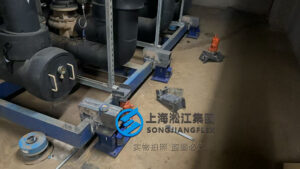
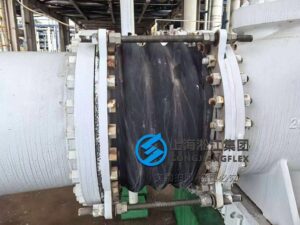
Corrosion-resistant bellows are commonly installed in areas where the pipeline is exposed to aggressive media or where movement compensation is required. Typical installation points include pump outlets, reactor connections, tank nozzles, transfer lines, and dosing systems.
They are especially useful in sections of the system where vibration, thermal expansion, or alignment variation may increase stress on connected components. In these locations, PTFE lined bellows help improve both corrosion protection and mechanical performance.
Can Custom PTFE Lined Bellows Reduce Maintenance Costs?
For many buyers, product value is not only about purchase price, but also about service life, maintenance frequency, and downtime risk.
Yes, custom PTFE lined bellows can help reduce maintenance costs by resisting chemical attack, improving installation compatibility, minimizing leakage risk, and absorbing vibration and thermal movement more effectively.
Poorly matched or chemically unsuitable components often fail earlier than expected. This can lead to repeated replacement, emergency shutdowns, production interruptions, and labor costs that eventually exceed the original savings. A properly engineered corrosion-resistant bellows helps avoid these hidden costs.
By combining a PTFE protective lining with a flexible bellows structure, the product supports both chemical resistance and mechanical stability. It relieves stress at connection points, reduces the impact of thermal expansion, and helps prevent damage caused by vibration. Over time, this improves pipeline reliability and lowers the total operating cost, especially in demanding industrial environments where downtime is expensive.
How Do They Improve Reliability and Reduce Downtime?
Custom PTFE lined bellows improve reliability by helping the system handle movement, vibration, and corrosive media more effectively. This reduces stress on joints and connected equipment, lowers the risk of leakage, and decreases the chance of unplanned shutdowns.
For facilities operating continuously, fewer failures mean less downtime, lower repair costs, and more stable production. That is why many buyers view custom PTFE lined bellows as a long-term cost-saving solution rather than just a replacement part.
How Do You Choose the Right Custom PTFE Lined Bellows?
Selecting the right bellows starts with understanding the full working condition, not just the nominal pipe size.
Before ordering custom PTFE lined bellows, buyers should confirm the media type, operating temperature, pressure, movement requirements, flange standard, installation length, and connection details.
A successful product selection depends on accurate technical data. First, the buyer should identify the medium flowing through the line and clarify whether it includes strong acids, strong alkalis, solvents, or mixed corrosive chemicals. Temperature and pressure are also critical because they directly affect design safety and material suitability.
Next, dimensional details such as nominal diameter, overall length, face-to-face distance, flange specification, and drilling standard should be confirmed. If the system involves pump vibration, thermal expansion, or pipe displacement, those factors should also be included in the specification. When buyers provide complete application data, the manufacturer can recommend a more suitable PTFE lined bellows design for reliable field performance.
What Technical Information Should Buyers Provide Before Ordering?
Before ordering, buyers should prepare clear technical details, including the conveyed medium, operating temperature, working pressure, nominal diameter, installation length, flange standard, and movement requirements.
If available, it is also helpful to provide drawings, photos, or information about pump vibration and pipe displacement. The more complete the data, the easier it is for the manufacturer to recommend the correct custom PTFE lined bellows solution.
Why Work with an Experienced Manufacturer for Custom PTFE Lined Bellows?
The quality of a custom product depends not only on design, but also on manufacturing capability, quality control, and application experience.
An experienced manufacturer can help buyers optimize product design, confirm technical details more efficiently, and deliver more reliable custom PTFE lined bellows for corrosive industrial applications.
In custom industrial supply, communication speed and technical accuracy are extremely important. A capable manufacturer understands how to evaluate media conditions, pressure classes, movement requirements, and flange standards before production begins. This reduces the chance of mistakes and helps shorten the project cycle.
Strong production capability, stable quality control, and practical knowledge of corrosion-resistant piping systems are especially important for urgent projects or repeat procurement. For international buyers, working with a professional factory like Songjiangflex can also improve consistency in documentation, production follow-up, and delivery coordination. In the long run, a reliable supplier is just as important as a reliable product.
How Can a Professional Factory Help Ensure Better Product Performance?
A professional factory can support better product performance by combining technical evaluation, custom production capability, and quality control. Instead of simply making a product to size, an experienced manufacturer looks at the entire application condition.
This helps ensure the final bellows is suitable for the medium, pressure, temperature, and installation environment. For buyers, this means fewer errors, faster communication, and a more dependable solution for corrosive piping systems.