What Is a JTW-SS Type Stainless Steel Braided Flexible Connector and How Does It Work?
Pipelines face vibration, pressure surges, and thermal expansion, causing leaks and damage. JTW-SS stainless steel braided flexible connectors effectively reduce stress and maintain system reliability.
A JTW-SS flexible connector is a stainless steel braided connector designed for pipeline vibration reduction. Its flexible structure, corrosion resistance, and easy installation make it ideal for industrial, food-grade, and hydraulic applications, ensuring secure, long-lasting connections.
Let’s explore its structure, materials, working principle, and practical applications in detail.
What Is the Structure of a JTW-SS Stainless Steel Braided Flexible Connector?
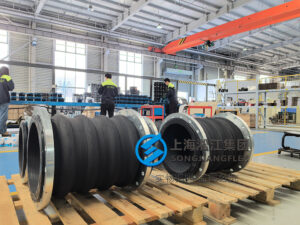
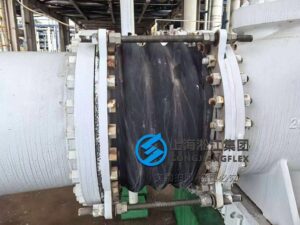
The JTW-SS flexible connector consists of an inner tube, an outer stainless steel braid, and flanges at both ends, forming a durable, flexible assembly.
Its structure allows it to absorb vibration, pressure changes, and thermal expansion. The inner tube carries the fluid, the braided layer adds tensile strength, and the flanges provide secure attachment to pipeline systems.
The inner tube is typically made of corrosion-resistant stainless steel, while the outer braid reinforces the tube against pressure surges and external forces. Flanges can be fixed or loose, supporting various flange standards. This structural design ensures that the JTW-SS flexible connector maintains its integrity under high-pressure or high-temperature conditions, making it suitable as a stainless steel expansion connector or industrial flexible piping connector.
What Materials Are Used in JTW-SS Type Flexible Connectors?
Material selection is critical for durability. JTW-SS connectors often use 304, 316, or 321 stainless steel for both inner tubes and outer braids.
These materials provide excellent corrosion resistance, high-temperature tolerance, and long-term strength. Some models are food-grade stainless steel hose connectors, suitable for potable water and food processing pipelines.
Choosing corrosion-resistant braided hose connectors ensures longevity in aggressive industrial environments, including chemical plants and hydraulic systems. The inner tube handles fluid pressure, while the braided layer resists mechanical damage. For specialized applications, such as food grade stainless steel hose connectors, materials meet hygiene standards while maintaining flexibility and vibration reduction capabilities.
How Does a Stainless Steel Braided Flexible Connector Reduce Vibration in Pipelines?
Pipelines are subjected to mechanical vibrations, pump pulsations, and thermal movement. JTW-SS flexible connectors absorb these stresses.
The braided structure acts as a buffer, isolating vibrations from equipment and reducing noise. It protects both pipelines and connected machinery, making it an effective pipeline vibration reduction connector.
By allowing slight axial, lateral, and angular movement, the JTW-SS flexible connector reduces stress on rigid pipeline systems. This makes it ideal for industrial flexible piping connectors in chemical, HVAC, and hydraulic applications. The combination of flexibility and strength ensures pipelines operate safely and efficiently under fluctuating pressures.
What Industries Commonly Use JTW-SS Flexible Connectors?
JTW-SS flexible connectors are widely used in industries where vibration reduction, corrosion resistance, and flexible connections are critical.
Common industries include chemical, food and beverage, pharmaceutical, HVAC, and hydraulic systems. They are used as metal flexible hose connectors, stainless steel expansion connectors, and food-grade connectors.
In chemical plants, corrosion-resistant braided hose connectors handle aggressive fluids safely. In food and beverage, food grade stainless steel hose connectors maintain hygiene standards. In hydraulic and HVAC systems, JTW-SS flexible connectors absorb vibrations from pumps, compressors, and fans, protecting equipment and extending system lifespan while ensuring consistent performance.
What Are the Pressure Ratings of JTW-SS Braided Flexible Connectors?
JTW-SS flexible connectors are designed for a wide range of pressures, accommodating various industrial and commercial pipeline systems.
Different models support low to high-pressure ratings. This ensures safe operation in HVAC systems, hydraulic lines, and industrial pipelines, making them versatile flange type flexible metal hoses.
Pressure ratings depend on inner tube diameter, braid density, and flange type. Correct selection ensures safe, leak-free operation. The flexibility combined with rated pressure tolerance allows connectors to act as both vibration absorbers and expansion joints, maintaining integrity even under fluctuating pipeline pressures.
What Flange Standards Are Compatible with JTW-SS Connectors?
JTW-SS connectors are compatible with multiple international flange standards, facilitating easy integration into existing pipelines.
They support ANSI, DIN, and JIS flange types. This versatility allows them to function as industrial flexible piping connectors or hydraulic system flexible connectors.
Compatibility with different flange standards ensures installation flexibility in various industrial sectors. The flanges can be fixed or loose, enabling adjustments during installation and maintenance. This adaptability makes JTW-SS flexible connectors a preferred choice for retrofitting or new systems requiring corrosion resistant braided hose connectors.
What Is the Difference Between Fixed and Loose Flange Types in Flexible Connectors?
Flexible connectors come with fixed or loose flange types, each suited to specific installation requirements and pipeline designs.
Fixed flanges provide maximum stability, while loose flanges allow easier alignment and installation. Choosing the right type ensures optimal performance as a metal flexible hose connector.
Fixed flange connectors are ideal where pipelines are rigid and alignment is precise. Loose flange connectors simplify installation in complex systems with slight misalignments. Understanding the difference is critical to prevent stress on pipelines and maintain long-term reliability, ensuring that JTW-SS flexible connectors continue to act as effective pipeline vibration reduction connectors.
What Installation Precautions Should Be Followed for Stainless Steel Flexible Connectors?
Proper installation is essential to maintain performance and prevent premature wear or failure of stainless steel flexible connectors.
Avoid twisting, over-stretching, or compressing the connector. Ensure correct flange alignment and secure tightening. Regular inspection enhances long-term reliability.
Installation precautions include verifying compatibility with pipeline materials, following torque specifications, and allowing natural expansion. For food-grade or hydraulic applications, maintaining cleanliness and preventing contamination is critical. Periodic inspections for wear or corrosion ensure the connector continues functioning as a durable, corrosion resistant braided hose connector, providing consistent vibration reduction.
Summary
JTW-SS stainless steel braided flexible connectors offer corrosion resistance, vibration reduction, and flexible installation, serving diverse industrial, food-grade, and hydraulic pipeline applications reliably.