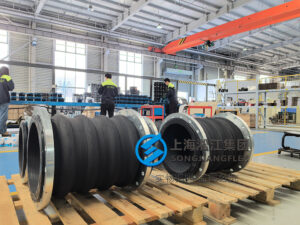
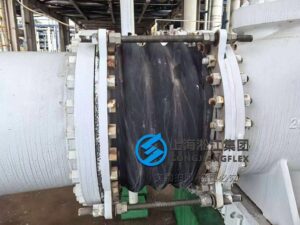
How Can a Ceramic Lined Rubber Expansion Joints Extend Service Life Under Extreme Abrasion Conditions?
Abrasive media can quickly damage standard expansion joints, causing unexpected downtime and high maintenance costs. Ceramic-lined solutions provide longer service life and reliable protection.
A ceramic lined rubber expansion joint extends service life by combining high-hardness ceramic protection with flexible rubber technology. It reduces abrasion damage, absorbs vibration, compensates pipeline movement, and provides reliable performance in mining, chemical, and heavy industrial systems.
Discover how ceramic lining technology transforms rubber expansion joints for extreme industrial environments.
What Makes Ceramic-Lined Rubber Expansion Joints More Wear-Resistant Than Standard Rubber Expansion Joints?
Standard rubber expansion joints provide excellent flexibility and vibration absorption, but they may struggle when exposed to continuous impact from abrasive particles, slurry, and high-speed materials.
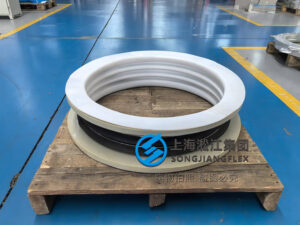
A ceramic lined rubber expansion joint achieves superior wear resistance because the internal ceramic layer creates a protective barrier against abrasive media. The ceramic absorbs particle impact while the rubber body maintains flexibility, reducing internal damage compared with conventional rubber expansion joints.
In many industrial applications, rubber expansion joints are installed in pipelines transporting materials containing solid particles. When slurry, minerals, sand, or other abrasive substances continuously flow through the system, the inner rubber surface can experience severe erosion and wear.
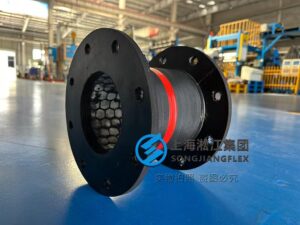
A ceramic lined rubber expansion joint solves this challenge by adding specially designed ceramic tiles or ceramic layers inside the rubber body. Ceramic materials feature extremely high hardness and excellent abrasion resistance, allowing them to withstand repeated particle impacts.
Unlike traditional rubber expansion joints that rely only on rubber compounds for protection, ceramic-lined designs create a dual-performance structure. The ceramic layer provides wear protection, while the rubber layer maintains flexibility, vibration isolation, noise reduction, and movement compensation capabilities.
This combination makes the ceramic lined expansion joint an ideal choice for industries where both flexibility and durability are required.
How Does Ceramic Lining Improve the Service Life of Rubber Expansion Joints in Abrasive Applications?
In abrasive working environments, extending equipment lifespan is a major concern for engineers and maintenance teams. Ceramic lining technology helps reduce wear-related failures.
An ultra wear resistant rubber expansion joint uses ceramic lining to minimize direct contact between abrasive particles and rubber surfaces. This significantly improves durability, decreases replacement frequency, and ensures stable operation in demanding pipeline systems.
The service life of a rubber expansion joint depends heavily on the operating conditions, including media characteristics, flow speed, temperature, pressure, and particle concentration.
In applications involving abrasive materials, the continuous impact of particles can gradually damage the rubber inner surface. Once the rubber layer becomes thinner, the expansion joint may lose its sealing performance and flexibility.
A ceramic lined rubber expansion joint provides an additional protective layer that greatly reduces this wear process. The ceramic surface has excellent resistance against cutting, scratching, and erosion caused by solid particles.
For industries such as mining, metallurgy, and power generation, using an abrasion resistant rubber expansion joint can significantly reduce unexpected maintenance activities. Longer service intervals help companies improve productivity, lower operating expenses, and maintain safer pipeline operation.
Why Are Ceramic-Lined Rubber Expansion Joints Ideal for Mining Slurry Pipeline Systems?
Mining slurry pipelines operate under some of the harshest conditions, where heavy particles, continuous flow, and mechanical vibration create serious challenges for pipeline components.
A rubber expansion joint for mining slurry pipeline systems must withstand aggressive slurry flow, vibration, and pipeline movement. Ceramic-lined designs provide excellent wear protection while maintaining the flexibility required for mining applications.
Mining operations often transport slurry containing minerals, rocks, and high concentrations of solid particles. These materials create strong abrasive forces inside pipelines, especially around pumps, elbows, and connection points.
Traditional connection components may experience rapid wear due to continuous particle impact. This can lead to leakage, production interruptions, and increased maintenance costs.
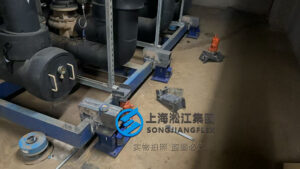
A ceramic lined rubber expansion joint is specifically designed for these challenging environments. It can be installed near slurry pumps, pipeline connections, and equipment outlets to absorb vibration and compensate for thermal expansion or installation errors.
The flexible rubber structure helps protect connected equipment from vibration stress, while the ceramic lining protects the internal surface from abrasion. This makes it a reliable heavy-duty solution for mining slurry transportation systems.
How Can Wear-Resistant Rubber Expansion Joints Reduce Maintenance Costs and Equipment Downtime?
Frequent replacement of worn pipeline components increases labor costs and production losses. Choosing a durable expansion joint can improve operational efficiency.
Wear resistant rubber expansion joints reduce maintenance costs by providing longer service life and minimizing unexpected failures. Their durable construction helps industrial systems operate continuously with fewer shutdowns and lower replacement expenses.
For many industrial companies, maintenance costs are not only related to spare parts but also include labor, production delays, and equipment downtime.
A standard expansion joint may require frequent inspection or replacement when exposed to abrasive media. Every shutdown affects production schedules and increases operational pressure.
A heavy duty rubber expansion joint with ceramic lining offers a more economical long-term solution. Although the initial investment may be higher than standard products, the extended service life often provides better overall value.
By reducing wear damage, ceramic-lined expansion joints help companies improve equipment reliability and reduce the frequency of maintenance operations. This is especially important for continuous production industries such as mining, cement, steel, and chemical processing.
What Industrial Applications Require Ultra Wear-Resistant Rubber Expansion Joints?
Many industries face severe abrasion challenges caused by aggressive materials and demanding operating conditions. Specialized expansion joints are required for reliable performance.
Ultra wear resistant rubber expansion joints are widely used in mining, metallurgy, power plants, chemical processing, cement production, and slurry transportation systems where standard rubber products cannot provide sufficient durability.
Industries requiring strong wear protection often involve the transportation of abrasive materials, including mineral slurry, ash, chemicals, and industrial waste.
Common applications include:
Mining Industry
Mining slurry pipelines, tailings transportation, and mineral processing equipment require expansion joints that can resist continuous particle impact and mechanical stress.
Power Industry
Ash handling systems, desulfurization pipelines, and cooling water systems often use wear-resistant expansion joints to improve equipment reliability.
Metallurgy Industry
Steel production lines, slag transportation systems, and industrial processing equipment require heavy-duty rubber expansion joints for demanding conditions.
Chemical Industry
Chemical pipelines containing corrosive and abrasive media need customized materials to achieve long-term performance.
Cement Industry
Powder and particle transportation systems require durable expansion joints to reduce maintenance frequency.
In these applications, a heavy duty rubber expansion joint provides not only abrasion resistance but also vibration control and movement compensation, improving the overall reliability of industrial pipeline systems.
How Do Ceramic-Lined Rubber Expansion Joints Handle Abrasive Media, Vibration, and Pipeline Movement?
Industrial pipelines require components that can handle multiple challenges simultaneously, including abrasion, vibration, pressure changes, and mechanical movement.
Ceramic lined rubber expansion joints combine abrasion resistance, vibration isolation, and movement absorption in one solution. The ceramic layer protects against wear, while the rubber body compensates for pipeline displacement and reduces vibration transmission.
A common misunderstanding is that wear-resistant products can only focus on durability. However, industrial systems also require flexibility and vibration control.
The ceramic layer inside the expansion joint protects against abrasive media, but the rubber structure remains responsible for absorbing mechanical movement. This allows the product to handle:
- Axial compression and extension
- Lateral movement
- Angular displacement
- Equipment vibration
- Pipeline installation errors
This combination is especially valuable in systems connected to pumps, compressors, and rotating equipment. The expansion joint reduces stress transferred between pipelines and equipment while maintaining reliable sealing performance.
Therefore, a ceramic lined expansion joint is not simply a wear protection component but a complete pipeline vibration and movement control solution.
What Factors Should Be Considered When Selecting a Ceramic-Lined Rubber Expansion Joint?
Selecting the correct expansion joint requires careful evaluation of operating conditions to ensure long-term performance and compatibility.
When choosing a ceramic lined rubber expansion joint, engineers should consider media characteristics, pressure, temperature, pipeline size, movement requirements, flange standards, and rubber material compatibility.
Before selecting an expansion joint, customers should evaluate several important technical factors.
1. Operating Media
The type of transported material directly affects the required wear resistance. Slurry concentration, particle size, and chemical properties should be considered.
2. Temperature and Pressure
Different rubber compounds provide different performance ranges. EPDM, NBR, Neoprene, and other materials may be selected according to working conditions.
3. Pipeline Dimensions
Size, flange standard, and face-to-face length must match the existing pipeline system.
4. Movement Requirements
The required axial, lateral, and angular movement determines the expansion joint structure.
5. Customization Requirements
For special applications, customers may require customized ceramic layouts, rubber compounds, flange materials, or reinforced designs.
Choosing the right product from an experienced manufacturer ensures better performance and longer service life.
How Does Shanghai Songjiang Provide Customized Wear-Resistant Rubber Expansion Joint Solutions?
As industrial requirements become more complex, customers need more than standard products. They need professional engineering support and customized solutions.
Shanghai Songjiang provides customized wear-resistant rubber expansion joint solutions by combining advanced manufacturing technology, strict quality control, and more than 30 years of industry experience.
Shanghai Songjiang Vibration Absorber Co., Ltd. is a professional manufacturer specializing in rubber expansion joints, vibration isolators, and rubber air springs.
As an experienced wear resistant expansion joint manufacturer, Songjiangflex provides solutions for mining, petroleum, chemical, metallurgy, power generation, construction, and water supply industries.
Our factory is equipped with advanced automated production equipment, including:
- Automatic rubber mixing machines
- CNC cutting systems
- Automatic forming machines
- Vulcanizing equipment
- Testing and inspection systems
With professional manufacturing capabilities, we can provide:
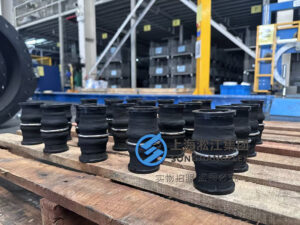
- Ceramic lined rubber expansion joints
- Heavy duty rubber expansion joints
- Customized abrasion resistant solutions
- OEM production services
As a reliable custom rubber expansion joint supplier, Songjiangflex focuses on helping global customers solve vibration, noise, movement, and abrasion challenges through optimized engineering solutions.
Summary
Ceramic lined rubber expansion joints provide durable protection against extreme abrasion. Songjiangflex delivers customized wear-resistant solutions for demanding industrial pipeline systems worldwide.