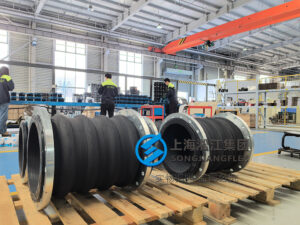
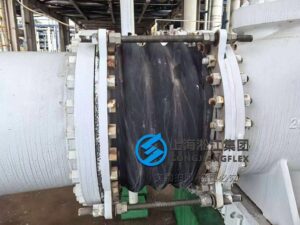
How Custom Dual-Sphere Rubber Expansion Joints Ensure Long-Term Reliability in Desalination Projects?
Desalination pipelines face constant vibration, high pressure, and seawater corrosion. Custom dual-sphere rubber expansion joints are engineered to provide long-term reliability by absorbing multi-directional vibrations, distributing stress evenly, and resisting chemical corrosion. These joints protect pipelines and connected equipment, minimizing downtime and maintenance in harsh desalination environments.
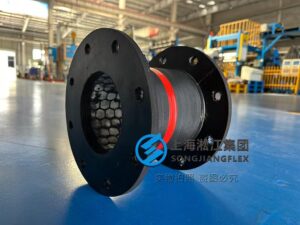
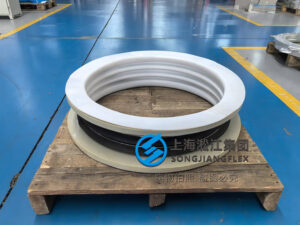
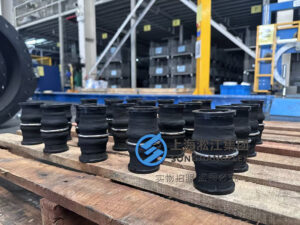
Custom dual-sphere rubber expansion joints combine optimized rubber materials with spherical geometry and precision flanges, ensuring stable performance under pressure fluctuations, temperature changes, and continuous operation. By using EPDM or chloroprene rubber, these joints maintain elasticity and sealing integrity, making them essential components in modern desalination systems.
How does the dual-sphere structure reduce mechanical fatigue?
The dual-sphere design allows the expansion joint to absorb axial, lateral, and angular displacements, reducing localized stress on pipelines. By evenly distributing mechanical loads, the structure minimizes fatigue on both the joint and the connected equipment.
This stress distribution is particularly important in desalination pipelines, where pumps and valves constantly create vibrations and pressure surges. With the dual-sphere geometry, expansion joints prevent mechanical wear, reduce the risk of cracks, and ensure continuous operation over extended periods.
How does the dual-sphere structure maintain sealing under high pressure?
The spherical geometry of the dual-sphere expansion joint enables it to expand, contract, and flex without compromising the seal. It ensures uniform compression along the flanges, preventing leaks even under high-pressure seawater conditions.
In desalination plants, where pressure fluctuations are common, maintaining a reliable seal is critical. This design protects the pipeline integrity, prevents water loss, and reduces the need for emergency maintenance, ensuring smooth and uninterrupted operation.
Which rubber type is better for seawater applications?
For desalination pipelines, EPDM and chloroprene (neoprene) rubber are the most suitable choices. EPDM offers excellent resistance to seawater, oxidizing chemicals, and temperature variations, while chloroprene provides additional flexibility and strength under high-pressure conditions.
Using these corrosion-resistant rubbers, custom dual-sphere expansion joints retain their shape and sealing ability over years of operation. Selecting the appropriate rubber material significantly extends the service life of the pipeline system and minimizes maintenance in challenging marine environments.
How does material choice affect lifespan?
Material selection directly influences the joint’s durability and performance. EPDM and chloroprene maintain their elasticity and chemical resistance over time, preventing cracks, leaks, and deformation in desalination pipelines.
High-quality rubber reduces the effects of mechanical vibration, pressure surges, and thermal expansion. By optimizing the material, dual-sphere expansion joints ensure long-term reliability, lower maintenance costs, and uninterrupted water production in desalination projects.
How do custom flanges prevent leaks?
Custom-designed flanges guarantee precise alignment and uniform compression across the joint. This precision prevents leaks even under thermal expansion and high-pressure fluctuations.
In desalination pipelines, exact flange fitting ensures that the expansion joint maintains a tight seal, protecting against water loss and potential damage to connected equipment. Properly engineered flanges also reduce stress concentrations, further enhancing the joint’s reliability.
How do custom flanges improve long-term maintenance efficiency?
Tailored flanges simplify both installation and replacement processes. By ensuring an accurate fit, they minimize the likelihood of misalignment or leaks that could require frequent maintenance.
For desalination projects, this efficiency translates to fewer maintenance interruptions, lower labor costs, and extended service life for the pipeline system. The combination of dual-sphere design and custom flanges creates a robust, low-maintenance solution for high-demand environments.
How is long-term reliability verified?
Reliability of dual-sphere rubber expansion joints is verified through rigorous fatigue, pressure, and corrosion testing. These tests simulate operational conditions, including cyclic pressure changes, vibration, and saltwater exposure, to confirm that the joints maintain their performance over time.
Testing ensures that the expansion joints can withstand the mechanical and chemical challenges of desalination pipelines, reducing the risk of unexpected failures and guaranteeing continuous operation for years.
What testing ensures operational safety?
Operational safety is confirmed through comprehensive evaluations that replicate the stresses, pressures, and chemical exposures experienced in desalination plants. By performing pressure cycling, vibration simulations, and salt spray tests, engineers validate the durability and sealing integrity of each joint.
This testing approach ensures that dual-sphere expansion joints provide reliable performance, prevent leaks, and protect connected equipment from damage, contributing to safe and efficient desalination operations.
How do expansion joints improve system efficiency?
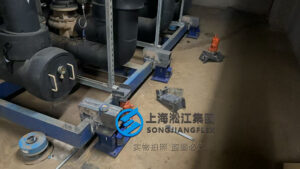
By absorbing vibrations from pumps and valves, dual-sphere rubber expansion joints reduce stress on pipelines and connected equipment. This vibration management enhances the overall operational efficiency of desalination systems, allowing pumps and valves to operate with minimal interference.
The joints also maintain pressure integrity, preventing energy loss and improving fluid transport efficiency. Their durability reduces unplanned downtime, which is critical for large-scale desalination projects that require continuous water production.
What potential failures do they prevent?
Dual-sphere expansion joints prevent common pipeline failures such as leaks, fatigue, and mechanical deformation. By absorbing displacement and vibration, they protect pipelines from cracks and seal damage.
In desalination systems, this reliability reduces emergency repairs, lowers maintenance frequency, and ensures long-term operational continuity. The combination of material selection, dual-sphere design, and precise flange engineering makes these joints an essential solution for preventing costly failures.
Summary
Custom dual-sphere rubber expansion joints, with optimized materials, spherical geometry, and precision flanges, provide reliable, long-term performance and operational efficiency in desalination projects.