How to Select the Right WCR Wound Rubber Expansion Joint for Your Application?
Selecting the right WCR rubber expansion joint can be confusing. Wrong choices cause leaks and damage. This guide ensures safe, reliable, and long-lasting performance.
Consider working pressure, temperature, medium type, pipe size, and installation space when selecting a WCR wound rubber expansion joint. Matching these parameters with the correct model ensures durability, vibration absorption, and secure operation for your piping system.
Let’s explore key factors and technical tips to choose the ideal WCR expansion joint efficiently.
1. Understanding WCR Wound Rubber Expansion Joints
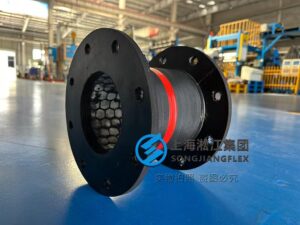
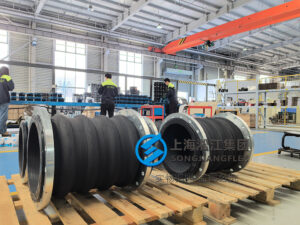
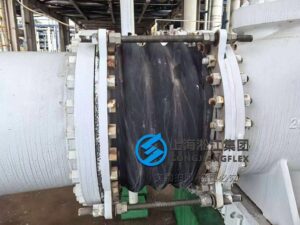
WCR wound rubber expansion joints consist of multiple layers of reinforced rubber, designed to absorb vibration, thermal expansion, and pressure fluctuations in piping systems.
These joints combine durable rubber and reinforcing fabric layers, offering high-pressure resistance and flexibility. They are suitable for water, chemical, and industrial pipelines.
Different rubber materials like EPDM, NBR, or Neoprene provide specific chemical resistance, temperature tolerance, and durability. Songjiangflex uses automated production and strict quality control to ensure each WCR expansion joint meets industrial standards, providing reliable vibration and noise reduction for pumps, generators, fans, and other equipment.
2. Key Parameters for Model Selection
Selecting the correct model requires evaluating the system’s working pressure, temperature range, inner diameter, and pipe movement compensation.
Accurate parameter matching prevents leaks, premature fatigue, and rubber aging, ensuring long-term system stability and safety.
Measure pipeline pressure and temperature accurately. Consider axial, lateral, and angular displacements. Refer to the manufacturer’s model charts to select a WCR expansion joint that meets all system requirements, balancing flexibility with durability.
3. Material Considerations and Compatibility
Rubber material must be compatible with the conveyed medium and environmental conditions to ensure longevity and safety.
EPDM, Neoprene, and NBR each offer distinct chemical resistance and durability. Choosing the right material avoids corrosion, swelling, and premature failure.
For water or mild chemicals, EPDM is often preferred. NBR works well with oils and fuels, while Neoprene offers broad chemical resistance. Proper material selection increases service life and maintains reliable vibration isolation. Songjiangflex provides technical guidance and material customization to fit unique industrial applications.
4. Installation Space and Movement Compensation
WCR joints must accommodate pipe movements without overstressing the rubber layers or reinforcing fabric.
Ensure that the joint can handle axial, lateral, and angular movements within the installation space to prevent early wear or failure.
Measure pipeline displacement in all directions and calculate required expansion joint length. Songjiangflex offers customization options for limited spaces or non-standard movements, ensuring optimal performance even in complex piping systems. Proper installation maximizes durability and maintains vibration absorption effectiveness.
5. Pressure and Temperature Ratings
Each WCR joint has defined maximum pressure and temperature limits that must meet or exceed system requirements.
Choosing a joint rated above the working conditions ensures a safety margin, preventing leaks and structural damage.
Check rated pressures and temperatures from manufacturer charts. Consider system fluctuations, thermal expansion, and occasional pressure surges. Songjiangflex WCR expansion joints are tested for high-pressure performance and wide temperature ranges, ensuring reliability under demanding industrial conditions.
6. Maintenance and Longevity Tips
Regular maintenance extends the lifespan of WCR rubber expansion joints and prevents unexpected failures.
Inspect for rubber wear, bolt tightness, and deformation regularly. Timely intervention avoids operational downtime and costly replacements.
Create a maintenance schedule based on operating conditions. Look for signs of cracking, abrasion, or chemical attack. Songjiangflex provides after-sales support, including technical guidance, replacement advice, and custom inspection services to keep systems running smoothly. Proper maintenance maximizes both safety and cost-effectiveness.
By understanding parameters, materials, installation, and maintenance, users can select the ideal WCR expansion joint, ensuring safe, durable, and efficient pipeline operation.