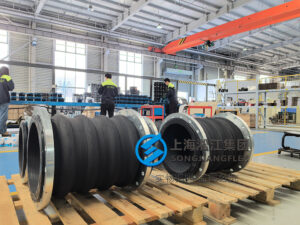
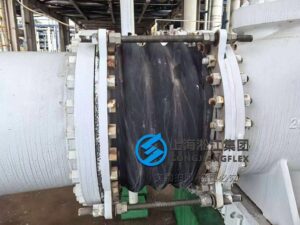
Why Are Corrosion-Resistant Dacromet Flanged Rubber Expansion Joints the Preferred Choice for Seawater Systems?
Seawater pipelines corrode easily, causing leaks and high maintenance. Corrosion-resistant Dacromet flanged rubber expansion joints protect your system, ensuring long-lasting operation.
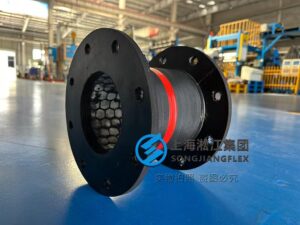
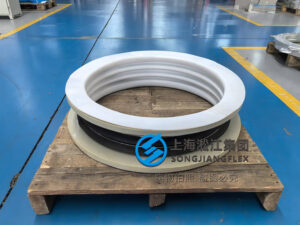
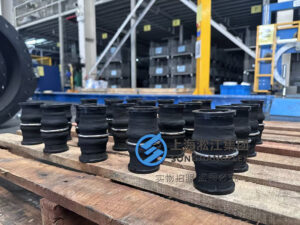
Corrosion-resistant Dacromet flanged rubber expansion joints offer long-term protection against rust, leaks, and pressure in seawater pipelines. These seawater system rubber expansion joints are ideal for pumps, piping, and high-salinity environments, delivering reliable sealing and extended service life.
Curious why these joints outperform standard flanges in seawater systems? Let’s dive deeper.
Advantages of Dacromet Flanges in Seawater Corrosion Protection
Dacromet surface treatment forms a dense, protective layer on metal flanges, effectively resisting corrosion from saltwater and humidity.
Dacromet flanges enhance the durability of seawater system rubber expansion joints, reduce maintenance frequency, and prevent costly leaks.
The Dacromet process provides a uniform, non-toxic coating that resists salt spray and chemical corrosion. In seawater pump pipelines, using Dacromet flanges combined with rubber expansion joints ensures long-term performance, even in harsh marine environments.
How Long Can Corrosion-Resistant Rubber Expansion Joints Last in Seawater Systems?
Ordinary joints degrade quickly in saltwater, but corrosion-resistant rubber expansion joints significantly extend the service life of pipelines.
When paired with Dacromet flanges, these rubber expansion joints can last 5–10 years or more, maintaining sealing and anti-corrosion performance.
Selecting high-quality rubber materials such as EPDM or Neoprene and applying corrosion-resistant flanges creates a seawater pipeline solution that resists wear, reduces downtime, and delivers consistent long-term operation.
Advantages Compared to Galvanized or Stainless Steel Flanges
Dacromet flanged rubber expansion joints outperform galvanized or standard stainless steel flanges in corrosion resistance, sealing, and pressure handling.
Compared with traditional flanges, corrosion-resistant Dacromet flanged joints maintain stability in high-salinity environments and require minimal maintenance, making them the preferred low-maintenance rubber joints.
These joints combine the elasticity of rubber with the protective properties of Dacromet, providing superior performance in seawater pump piping systems. They reduce leakage, minimize maintenance frequency, and offer better long-term value than ordinary metallic flanges.
Suitable Seawater System Equipment for Dacromet Flanged Rubber Expansion Joints
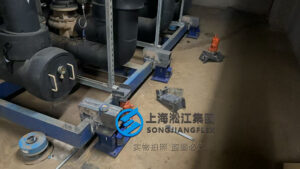
These joints are widely used in seawater pumps, cooling systems, circulation pipelines, and marine applications, providing reliable protection.
Seawater system rubber expansion joints deliver reliable sealing and corrosion protection across various equipment, ensuring consistent operation in high-salt environments.
From seawater intake pumps to shipboard piping, Dacromet flanged rubber expansion joints are ideal for any application requiring durability, flexibility, and anti-corrosion performance in high-salinity conditions.
Sealing and Pressure Performance in High-Salinity Environments
High-salt environments can compromise ordinary joints, but corrosion-resistant rubber expansion joints maintain sealing integrity and pressure resistance.
Seawater equipment sealing rubber expansion joints remain leak-proof and pressure-resistant, even under continuous exposure to high-salinity water.
Designed for seawater systems, these joints use corrosion-resistant materials and reinforced flanges to ensure pressure stability. Regular testing confirms excellent sealing under variable temperatures and pressures, making them reliable for harsh marine applications.
How to Select and Install Corrosion-Resistant Dacromet Flanged Rubber Expansion Joints
Proper selection and installation maximize joint performance and extend service life in seawater pipelines.
Check flange size, pressure rating, and seal material. Avoid over-stretching or twisting during installation to achieve optimal results.
For seawater system pipelines, select EPDM or Neoprene rubber joints with Dacromet flanges that match your system’s pressure and temperature requirements. Install following best practices, including bolt torque control and alignment checks, ensuring minimal maintenance and maximum reliability.
Economic Advantages: Maintenance vs. Operating Costs
Ordinary flanges require frequent replacement and maintenance, driving up costs. Corrosion-resistant joints reduce downtime and save money.
Low-maintenance rubber joints minimize repair costs, reduce leak risks, and provide long-term economic advantages in seawater pipeline corrosion protection solutions.
Comparing traditional galvanized or stainless steel flanges with Dacromet flanged rubber joints, the latter offers lower total cost of ownership, fewer interruptions, and higher reliability, making it the most cost-effective seawater pipe protection solution.
Corrosion-resistant Dacromet flanged rubber expansion joints provide sealing, anti-corrosion, and low-maintenance solutions, making them the top choice for seawater systems.