Why Is a Custom 300 mm PTFE-Lined Winding Rubber Expansion Joint Essential for Electrolyzer Pure Water Systems?
Introduction: Challenges in Electrolyzer Pure Water Piping Systems
Electrolyzer pure water systems operate under extremely demanding conditions. High water purity, strict chemical compatibility, continuous circulation, and long-term stability are all critical requirements. However, rigid piping alone cannot effectively handle vibration, thermal expansion, pressure fluctuations, or installation tolerances.
Without proper flexible components, these stresses can lead to leakage, contamination risks, premature pipe fatigue, and unstable electrolyzer operation. This is why a custom 300 mm PTFE-lined winding rubber expansion joint becomes a vital component in modern electrolyzer pure water system expansion joint design, ensuring both mechanical reliability and chemical cleanliness in high-purity water circuits.
What Is a PTFE-Lined Winding Rubber Expansion Joint for Electrolyzer Pure Water Systems?
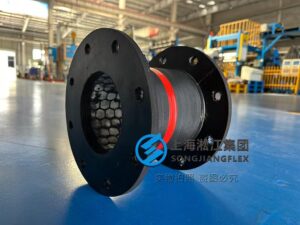
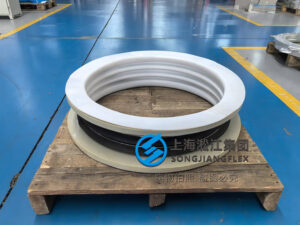
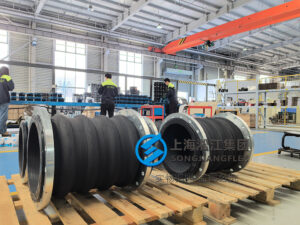
A PTFE-lined rubber expansion joint for electrolyzers is a flexible piping component that combines a chemically inert PTFE inner lining with a high-strength winding-reinforced rubber body. Designed specifically for high-purity water applications, it compensates for movement, absorbs vibration, and protects piping systems from mechanical stress while maintaining ultra-clean fluid integrity.
From Standard Components to Custom Solutions in Electrolyzer Applications
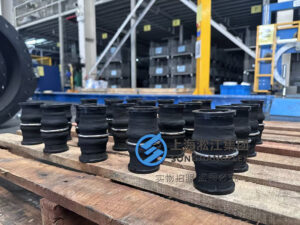
As electrolyzer systems evolve toward higher efficiency and larger capacities, standard rubber expansion joints no longer meet the stringent demands of pure water circulation. Custom solutions—especially those with PTFE lining and winding reinforcement—are increasingly adopted to ensure system compatibility, durability, and long-term operational stability.
Why Are Rubber Expansion Joints Critical Components in Electrolyzer Pure Water Systems?
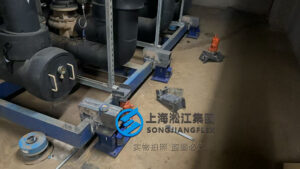
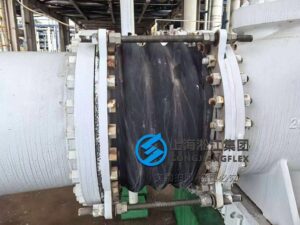
Rubber expansion joints play a fundamental role in protecting electrolyzer water circulation pipelines. During operation, pumps, valves, and pressure variations generate continuous vibration and axial, lateral, and angular movement.
A properly designed rubber expansion joint for electrolyzer systems absorbs these movements, reduces noise transmission, and relieves stress at pipe connections. Without this flexibility, rigid pipelines are vulnerable to cracking, flange deformation, and seal failure—risks that are unacceptable in high-purity electrolyzer environments.
How Does PTFE Lining Ensure Chemical Purity and Corrosion Resistance in Electrolyzer Applications?
PTFE (polytetrafluoroethylene) lining is essential for maintaining chemical purity in electrolyzer pure water systems. PTFE is chemically inert, non-leaching, and highly resistant to corrosion, ensuring that no contaminants migrate into the water stream.
Compared with conventional rubber inner tubes, a PTFE-lined rubber expansion joint prevents ion release, resists oxidation, and withstands long-term exposure to ultra-pure water. This makes it an ideal PTFE lined expansion joint for pure water where even trace contamination can impact electrolyzer efficiency and lifespan.
What Performance Advantages https://rubberisolator.com/product/rubber-expansion-joint/ptfe-lined-rubber-expansion-joint/Does a Custom 300 mm Winding Rubber Expansion Joint Provide?
A custom 300 mm length offers enhanced flexibility and displacement compensation compared to shorter standard designs. The extended length allows for improved axial and lateral movement absorption, reducing stress on flanges and adjacent piping.
Additionally, the winding-reinforced structure significantly improves pressure resistance, fatigue life, and dimensional stability. This 300 mm winding rubber expansion joint is especially suitable for continuous-duty electrolyzer systems where reliability and consistency are critical.
Why Are Standard Rubber Expansion Joints Unsuitable for High-Purity Electrolyzer Water Circuits?
Standard rubber expansion joints are typically designed for general industrial fluids and often lack the material purity and structural precision required for electrolyzer applications. Common issues include rubber aging, chemical incompatibility, insufficient reinforcement, and inconsistent performance under continuous operation.
In contrast, a custom rubber expansion joint for electrolyzer systems is engineered specifically for high-purity water, pressure stability, and long-term durability, eliminating risks associated with off-the-shelf components.
How Do PTFE-Lined Winding Rubber Expansion Joints Reduce Vibration and Piping Stress in Electrolyzers?
Electrolyzer systems generate persistent mechanical vibration from pumps and fluid flow. A PTFE-lined winding rubber expansion joint acts as a flexible buffer, isolating vibration and preventing its transmission to rigid pipelines and sensitive equipment.
The rubber body absorbs dynamic loads, while the winding reinforcement maintains structural integrity. This combination effectively reduces piping stress, improves sealing performance, and extends the service life of the entire electrolyzer water circulation expansion joint system.
Which Design Parameters Are Essential When Customizing Expansion Joints for Electrolyzer Pure Water Systems?
Customizing expansion joints for electrolyzer applications requires careful consideration of several key parameters. These include PTFE lining thickness and grade, rubber compound compatibility, winding reinforcement layers, design pressure, operating temperature, connection standards, and precise length selection such as the 300 mm configuration.
Only by optimizing these parameters can a high purity water piping expansion joint deliver reliable performance, chemical safety, and long-term operational stability in demanding electrolyzer environments.
Conclusion: A Reliable Expansion Joint Solution for Electrolyzer Pure Water Systems
A PTFE-lined winding rubber expansion joint with a custom 300 mm length provides an optimal balance of chemical purity, mechanical strength, and flexibility for electrolyzer pure water systems. By addressing vibration, movement, corrosion resistance, and contamination control, it ensures safe, stable, and efficient operation.
For modern electrolyzer installations, investing in a purpose-built electrolyzer pure water system expansion joint is not optional—it is a critical step toward long-term system reliability and performance.