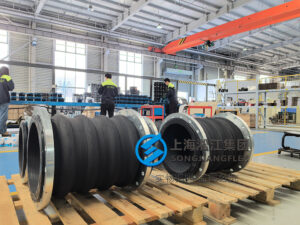
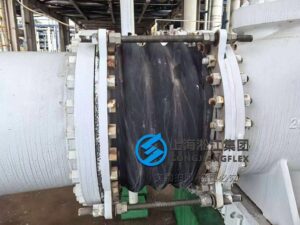
Why Is a PTFE-Lined Rubber Expansion Joint the Most Reliable Choice for Industrial Piping Systems?
Corrosion, vibration, and leakage often threaten pipelines. Frequent repairs are costly and disruptive. PTFE-lined rubber expansion joints provide a durable, flexible, and corrosion-resistant solution.
PTFE-lined rubber expansion joints combine highly corrosion-resistant PTFE liners with flexible rubber bodies. They absorb vibration, compensate thermal expansion, resist chemical corrosion, and ensure reliable performance in chemical, water treatment, and petrochemical piping systems.
Let’s explore the structure, benefits, applications, and maintenance of PTFE-lined rubber expansion joints in detail.
What Is a PTFE-Lined Rubber Expansion Joint?
A PTFE-lined rubber expansion joint is a specialized pipe connector that integrates the flexibility of rubber with the chemical resistance of PTFE.
Its PTFE liner withstands strong acids and bases, while the rubber body absorbs vibrations and movements, preventing pipeline stress and failure.
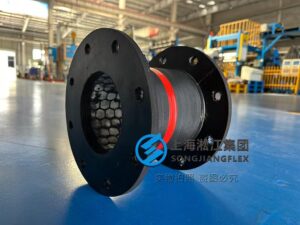
Structurally, it consists of a PTFE inner liner, a flexible rubber body, and steel flanges. Unlike standard rubber expansion joints, the PTFE layer protects against aggressive chemical media. The combination ensures pipeline longevity and reduces maintenance frequency, making it ideal for industries handling corrosive fluids or requiring high flexibility.
What Are the Main Advantages of PTFE-Lined Rubber Expansion Joints?
These joints excel in corrosion resistance, pressure tolerance, flexibility, and lifespan, offering a comprehensive solution for pipeline reliability.
They prevent chemical corrosion, absorb thermal expansion, reduce vibration and noise, and decrease the frequency of maintenance.
PTFE-lined rubber expansion joints are widely used in petrochemical, pharmaceutical, water treatment, and chemical industries. Their advantages include cost savings from fewer repairs, minimized downtime, and enhanced pipeline safety. The combination of PTFE and rubber extends service life while maintaining high performance under harsh operating conditions.
In Which Industrial Scenarios Are PTFE-Lined Rubber Expansion Joints Used?
The chemical resistance and flexibility of these joints make them suitable for diverse industrial pipeline systems.
They handle corrosive liquids, chemical conveyance, hot water, and steam piping, ensuring reliable operation under demanding conditions.
Typical applications include water treatment plants, chemical factories, petrochemical refineries, marine systems, and food and pharmaceutical production lines. Installation considerations such as alignment, flange compatibility, and expansion absorption are critical to prevent leaks and optimize joint performance.
How to Select the Right PTFE-Lined Rubber Expansion Joint?
Proper selection requires evaluating pipeline pressure, temperature, chemical media, and expected movement.
Choosing the correct size and material ensures long-term stability, preventing leaks, fatigue, or damage.
Selection guidelines include calculating required dimensions, checking flange compatibility, determining axial, lateral, and angular movements, and considering temperature and chemical compatibility. Customization options are available for specific applications, ensuring joints meet precise operational requirements and extend system reliability.
What Are the Installation Considerations for PTFE-Lined Rubber Expansion Joints?
Proper installation is essential for optimal performance and long service life of the expansion joint.
Incorrect installation can cause leaks, rubber fatigue, or abnormal pipeline vibrations, reducing system reliability.
Installation requires careful flange alignment, correct bolt tightening, and adequate pre-compression or expansion allowance. Avoid twisting during installation, ensure the pipeline is properly supported, and verify the joint’s orientation. Following these steps prevents premature wear and maintains full vibration-absorbing capacity.
How to Maintain PTFE-Lined Rubber Expansion Joints for Longevity?
Regular maintenance ensures stable performance and extends the service life of the joint.
Simple inspections and proper care can keep joints functional for many years, reducing downtime and repair costs.
Maintenance includes routine inspection of the PTFE liner and rubber body, checking for cracks, leaks, or deformation, and cleaning to remove corrosive residues. Monitoring operating conditions and replacing joints nearing the end of service life can prevent unexpected failures and maintain pipeline safety.
What Are Common Issues and Solutions with PTFE-Lined Rubber Expansion Joints?
Users may encounter leaks, rubber aging, or incorrect sizing during operation.
Proper selection, correct installation, and regular maintenance effectively prevent common problems.
Common issues include leakage from flange misalignment, chemical attack on the rubber body, or joint fatigue due to excessive movement. Solutions involve verifying pipe alignment, choosing chemically compatible materials, and adhering to operational limits. Preventive measures, such as monitoring temperature, pressure, and chemical exposure, maximize joint lifespan.
Summary
PTFE-lined rubber expansion joints offer corrosion resistance, vibration absorption, and long life, providing a reliable solution for industrial piping systems across multiple sectors.