
DN350 HVAC System Bellows Expansion Joint
Flexible Strength, Reliable Safety
DN350 HVAC System Bellows Expansion Joint– Product Introduction
The DN350 HVAC System Bellows Expansion Joint is specially designed to protect large-diameter piping systems in heating, ventilation, and air-conditioning (HVAC) installations. In HVAC pipelines, temperature changes, equipment vibration, and system pressure fluctuations can cause expansion, contraction, and mechanical stress. The bellows expansion joint effectively absorbs these movements, reducing stress on pipelines, pumps, fans, and other connected equipment, thereby improving system reliability and service life.
Manufactured from high-quality stainless steel bellows combined with precision-engineered flanges, the DN350 bellows expansion joint offers excellent flexibility, durability, and corrosion resistance. It is capable of compensating for axial, lateral, and angular displacement, making it an ideal solution for large HVAC duct and water circulation systems commonly used in commercial buildings, industrial facilities, data centers, and district cooling systems.
The stainless steel bellows structure allows the expansion joint to withstand repeated thermal cycles and continuous vibration from HVAC equipment such as chillers, cooling towers, pumps, and air handling units (AHU). By effectively isolating vibration and absorbing pipeline movement, it prevents damage to pipelines, minimizes noise transmission, and ensures smoother system operation.
The DN350 size is particularly suitable for large-capacity HVAC water circulation pipelines, where thermal expansion and vibration can significantly impact system stability. With precision welding technology and strict quality inspection during manufacturing, each expansion joint ensures high structural integrity and long-term operational safety.
In addition, the expansion joint can be customized according to project requirements, including different flange standards (such as DIN, ANSI, JIS, or EN standards), pressure ratings, and special materials depending on operating conditions. Optional features such as tie rods, internal sleeves, or protective covers can also be incorporated to enhance performance in demanding environments.
With its reliable performance and strong adaptability, the DN350 HVAC System Bellows Expansion Joint is widely used in central air-conditioning systems, chilled water pipelines, heating pipelines, and large ventilation systems, providing effective compensation for pipeline displacement while protecting critical HVAC equipment.
Choosing a high-quality bellows expansion joint ensures not only the long-term stability of the HVAC system but also reduces maintenance costs and improves overall operational efficiency.
DN350 HVAC System Bellows Expansion Joint – Product Photo

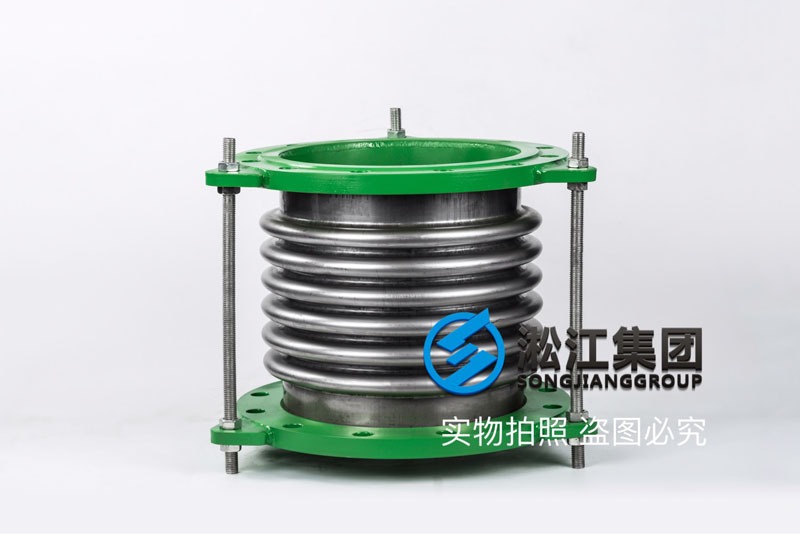


The primary function of a DN350 HVAC system bellows expansion joint is to absorb pipeline displacement caused by temperature changes, mechanical vibration, and installation misalignment in large-diameter HVAC piping systems. In central air conditioning and chilled water circulation systems, pipelines experience significant thermal expansion and contraction due to fluctuating operating temperatures.
Without proper compensation devices, these movements generate stress on pipes, pumps, valves, and equipment connections. Over time, this stress may cause pipe deformation, flange leakage, equipment misalignment, and even system failure. A bellows expansion joint effectively absorbs this displacement by providing flexibility within the pipeline.
The DN350 bellows expansion joint is designed to compensate for several types of movement, including axial compression and extension, lateral displacement, and angular deflection. Its stainless steel bellows structure acts like a flexible spring element that deforms elastically under pipeline movement, allowing the system to operate safely without transferring excessive loads to connected equipment.
In HVAC systems, these expansion joints also help isolate vibration generated by pumps, compressors, chillers, and air handling units. By reducing vibration transmission through pipelines, the expansion joint protects mechanical components and reduces structural noise.
For large HVAC pipelines such as DN350 systems, expansion joints are critical because the larger the pipe diameter, the greater the thermal expansion force. Therefore, properly designed bellows expansion joints play an essential role in ensuring long-term reliability, system stability, and reduced maintenance costs in HVAC infrastructure.
Bellows expansion joints are essential in large HVAC pipelines because thermal expansion forces increase dramatically as pipe diameter and pipeline length grow. In DN350 pipelines used in central air conditioning systems, chilled water distribution networks, or district cooling plants, the thermal expansion generated during system operation can be substantial.
When HVAC systems start up, chilled water or hot water flows through the pipeline, causing temperature fluctuations that lead to pipe expansion or contraction. For example, even a moderate temperature change can result in several millimeters of pipeline movement over long pipe sections.
If these movements are not properly absorbed, the resulting stress can damage pipeline supports, distort pipe alignment, and impose excessive loads on pumps and valves. In severe cases, this stress may cause flange leakage or cracking of pipeline welds.
Bellows expansion joints solve this problem by introducing flexibility into rigid pipeline systems. The stainless steel bellows element is designed to compress, extend, or bend according to the movement generated in the system. This allows pipelines to move naturally without transmitting harmful stress to surrounding components.
In addition to thermal expansion, HVAC systems also generate vibration from mechanical equipment such as pumps and compressors. Expansion joints help isolate these vibrations, protecting both piping structures and connected machinery.
Therefore, installing DN350 bellows expansion joints is a fundamental engineering solution for maintaining operational safety, reducing structural stress, and extending the service life of HVAC systems.
A DN350 HVAC bellows expansion joint is designed to absorb thermal expansion, vibration, and mechanical displacement in large HVAC pipeline systems. When heating or cooling systems operate, temperature changes cause pipelines to expand or contract. Without proper compensation, these movements can generate excessive stress that may damage pipes, valves, or equipment.
The stainless steel bellows structure allows the expansion joint to absorb axial, lateral, and angular movement while maintaining system pressure integrity. This helps protect pumps, chillers, and compressors from vibration and mechanical stress.
DN350 bellows expansion joints are widely used in:
central air conditioning systems
chilled water pipelines
industrial cooling systems
power plant HVAC systems
large commercial building mechanical rooms
By reducing vibration and compensating thermal movement, these expansion joints significantly improve system reliability, extend pipeline service life, and reduce maintenance costs.
Large HVAC pipelines such as DN350 systems experience significant thermal expansion due to temperature variations between chilled water and heated water operations. When pipes expand without compensation, large mechanical stresses are transferred to pipe supports, pumps, and connected equipment.
Bellows expansion joints act as flexible connectors that absorb these stresses and prevent structural damage. They protect the entire piping system by allowing controlled movement while maintaining leak-free operation.
In HVAC systems, expansion joints help achieve:
thermal expansion compensation
vibration isolation
noise reduction
equipment protection
improved pipeline stability
Without expansion joints, long pipeline networks could suffer from pipe deformation, flange leakage, or structural failure. Therefore, bellows expansion joints are considered critical components in modern HVAC engineering.
DN350 HVAC bellows expansion joints are typically manufactured using high-quality stainless steel materials to ensure durability and corrosion resistance.
The most commonly used materials include:
SUS304 Stainless Steel
Widely used in standard HVAC systems because it provides excellent corrosion resistance and mechanical strength. It performs well in chilled water and cooling water systems.
SUS316 or SUS316L Stainless Steel
These materials offer enhanced corrosion resistance, especially in environments containing chlorides or aggressive chemicals. They are commonly used in industrial or marine HVAC systems.
Carbon Steel Flanges
Flanges are usually made from carbon steel because they provide high strength and cost efficiency for large pipeline systems.
Material selection depends on several factors such as:
operating temperature
system pressure
fluid composition
environmental conditions
Choosing the correct material ensures long-term performance and prevents corrosion or fatigue damage.
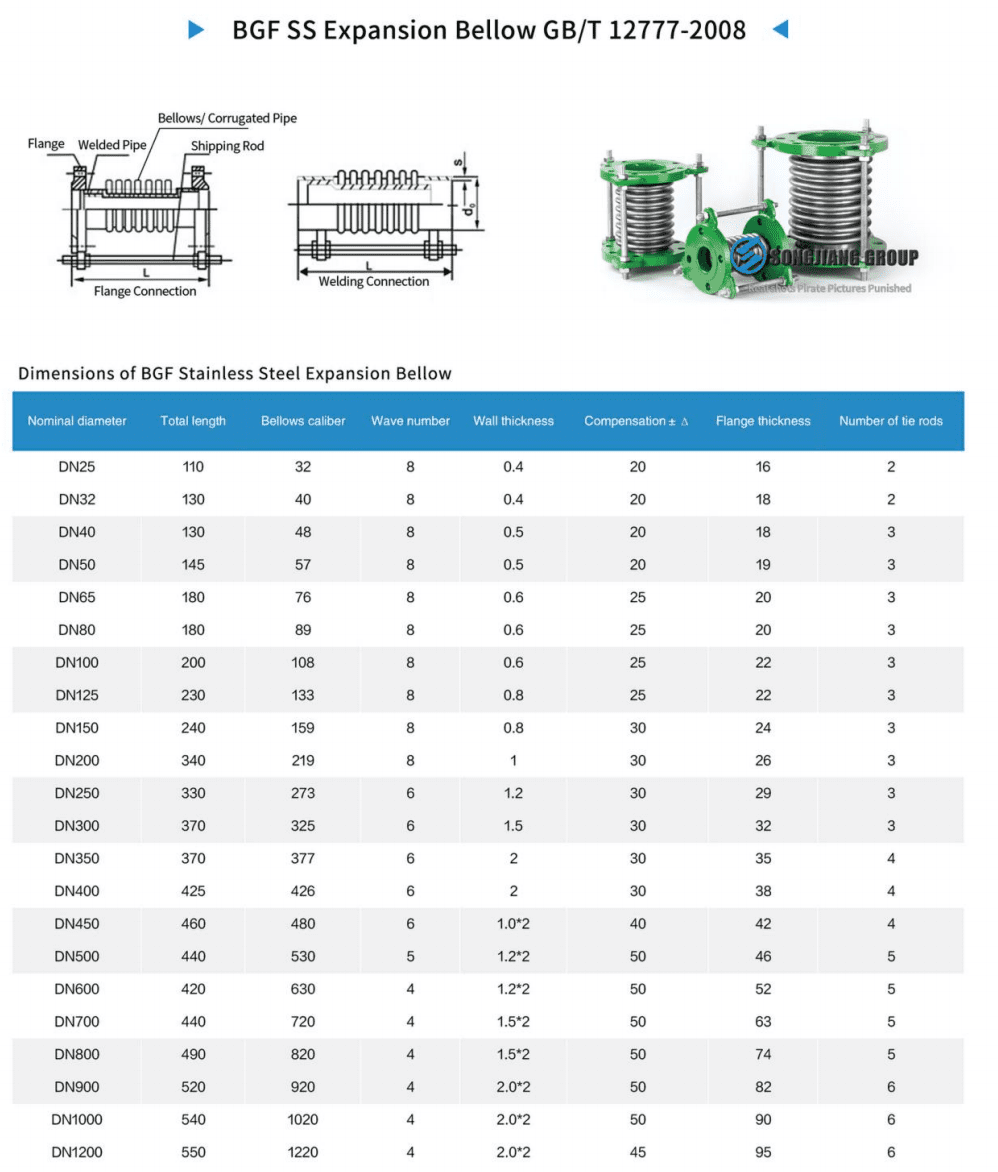
Datasheet for HVAC System Bellows Expansion Joint
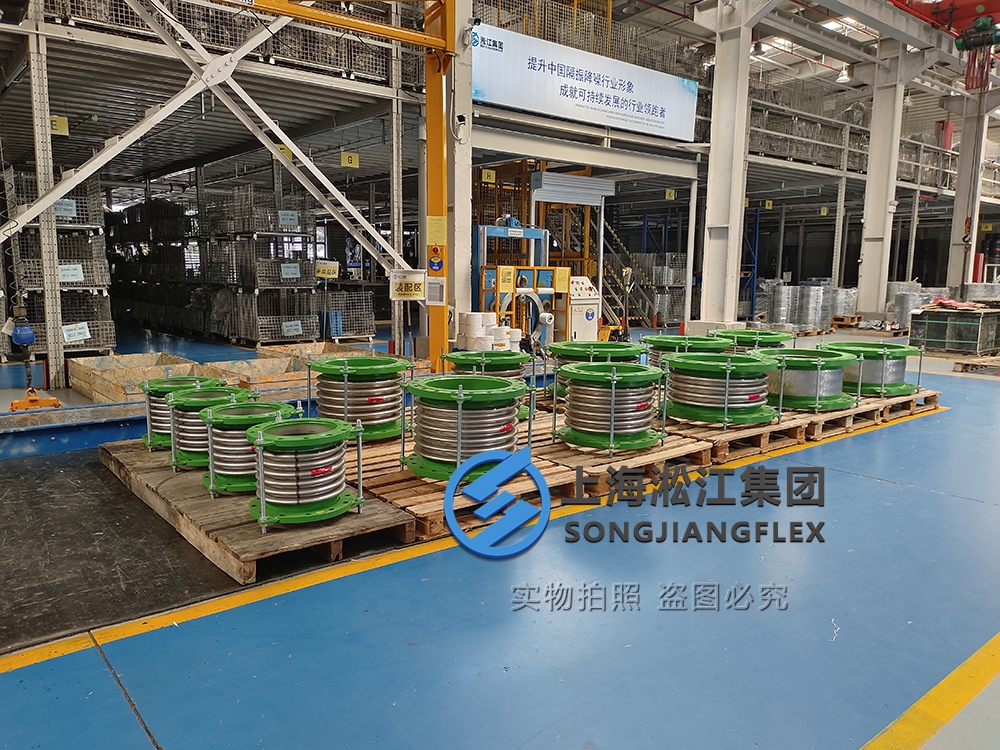
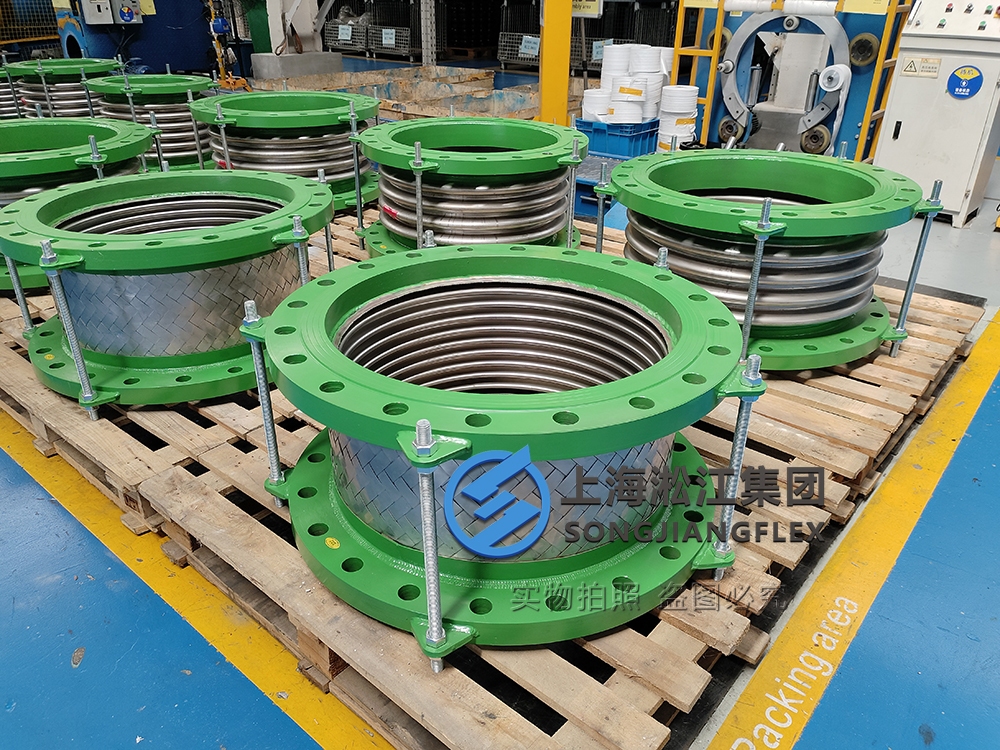
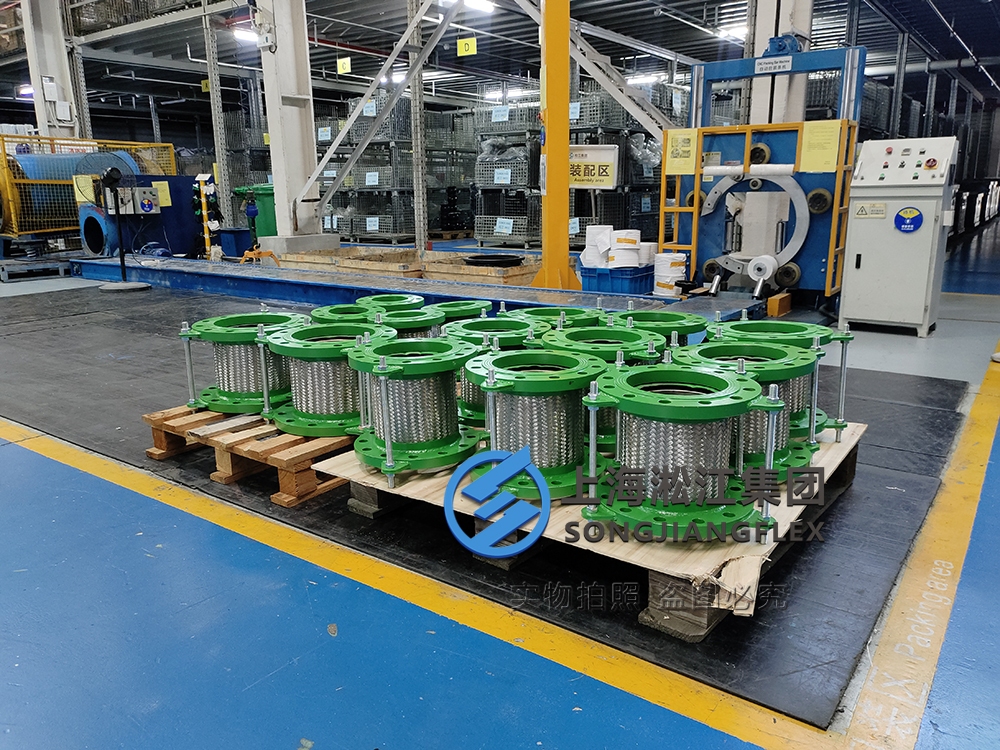
Daily Production Showcase from Factory
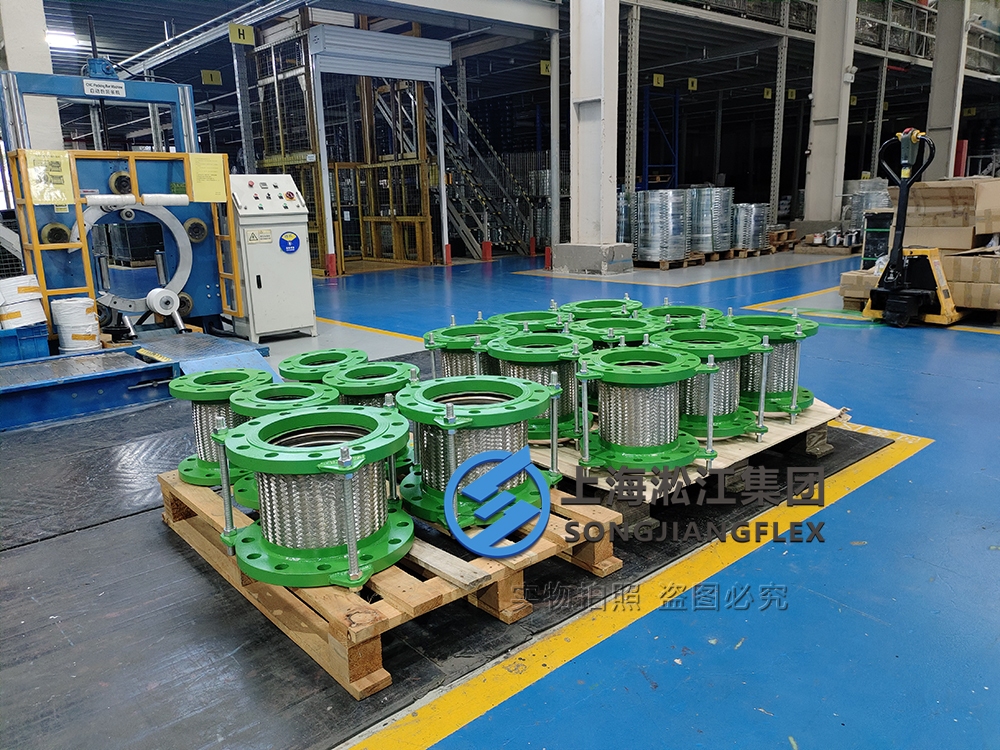
Advantages of Using DN350 HVAC System Bellows Expansion Joint
In large-scale HVAC pipeline systems, the reliability of flexible connections plays a critical role in maintaining stable operation. The DN350 HVAC System Bellows Expansion Joint is specifically designed to accommodate pipeline movement, reduce vibration, and protect equipment from mechanical stress. Its stainless steel bellows structure provides superior flexibility and durability, making it an essential component for modern heating, ventilation, and air-conditioning systems. Below are the key advantages of using DN350 HVAC bellows expansion joints in industrial and commercial HVAC installations.
1. Effective Compensation for Thermal Expansion and Contraction
HVAC piping systems often experience significant temperature fluctuations due to chilled water circulation, heating processes, or seasonal changes. These temperature variations cause pipelines to expand and contract repeatedly. Without proper compensation devices, the resulting thermal stress can lead to pipe deformation, flange misalignment, or even structural damage.
The DN350 bellows expansion joint is designed to absorb axial, lateral, and angular displacement caused by thermal expansion. The flexible stainless steel bellows can safely accommodate pipeline movement while maintaining the integrity of the system. By reducing thermal stress within the piping network, the expansion joint helps ensure long-term system stability and prevents premature pipeline failure.
2. Excellent Vibration Isolation Performance
Large HVAC systems typically include pumps, compressors, cooling towers, and other rotating equipment that generate continuous vibration during operation. If these vibrations are transmitted directly into the pipeline network, they can accelerate fatigue, loosen flange connections, and increase system noise.
The bellows expansion joint acts as a flexible connector that absorbs and dissipates vibration energy. By isolating mechanical vibration between equipment and pipelines, the DN350 expansion joint effectively protects both the piping system and connected machinery. This vibration isolation capability helps reduce equipment wear and improves overall operational reliability.
3. Protection of Pumps, Valves, and Mechanical Equipment
Mechanical equipment connected to HVAC pipelines is often sensitive to external loads and pipeline stress. When pipelines expand, contract, or shift due to operational conditions, these movements can transfer forces directly to pumps, valves, and heat exchangers.
By introducing flexibility into the system, the DN350 bellows expansion joint minimizes the mechanical load transmitted to critical equipment. This helps prevent misalignment, seal damage, and excessive stress on equipment flanges. As a result, the expansion joint plays an important role in extending the service life of HVAC components and maintaining system efficiency.
4. High Strength and Pressure Resistance
The DN350 bellows expansion joint is manufactured using high-quality stainless steel materials such as SUS304 or SUS316, which provide excellent mechanical strength and corrosion resistance. The multi-layer bellows structure allows the joint to withstand internal pressure while maintaining sufficient flexibility for displacement compensation.
Advanced welding technology and strict manufacturing standards ensure that each expansion joint meets the required pressure ratings for HVAC systems. This combination of strength and flexibility makes the DN350 bellows expansion joint suitable for demanding industrial environments where reliability and safety are essential.
5. Improved System Reliability and Safety
Pipeline failures in HVAC systems can lead to costly downtime, equipment damage, and potential safety risks. By effectively absorbing vibration and thermal movement, the DN350 expansion joint reduces the likelihood of pipeline fatigue, joint leakage, and structural damage.
The flexible design also helps maintain proper alignment between connected pipeline sections, preventing excessive stress on flange connections. This improved stability enhances the overall safety of the HVAC system and ensures consistent operation over long periods of service.
6. Long Service Life and Reduced Maintenance
Because HVAC systems operate continuously in many industrial and commercial applications, pipeline components must be able to withstand long-term cyclic movement and vibration. The stainless steel bellows used in DN350 expansion joints are specifically designed to handle repeated expansion and contraction cycles without fatigue failure.
High-quality materials and precision manufacturing processes ensure that the expansion joint maintains its flexibility and sealing performance over time. This durability reduces the need for frequent maintenance or replacement, helping facility operators minimize maintenance costs and system downtime.
7. Flexible Installation and Customization
HVAC systems vary widely in terms of pipeline layout, pressure ratings, and installation space. The DN350 bellows expansion joint can be manufactured with different flange standards such as DIN, ANSI, JIS, or EN, allowing it to integrate easily with various international pipeline systems.
Additionally, optional features such as tie rods, internal sleeves, or protective covers can be added to meet specific operational requirements. This flexibility in design and installation ensures that the expansion joint can be adapted to a wide range of HVAC applications.
8. Noise Reduction in HVAC Systems
Noise generated by vibration in large HVAC systems can affect both equipment performance and the surrounding environment. The flexible bellows structure of the DN350 expansion joint helps absorb vibration energy and reduce the transmission of noise through pipelines and building structures.
By lowering vibration-induced noise levels, the expansion joint contributes to a quieter and more comfortable operating environment, which is especially important in commercial buildings, hospitals, laboratories, and office complexes.
Conclusion
The DN350 HVAC System Bellows Expansion Joint provides multiple benefits for modern HVAC piping systems, including thermal expansion compensation, vibration isolation, equipment protection, and improved system reliability. Its durable stainless steel construction, flexible design, and long service life make it a critical component in large-scale heating, ventilation, and air-conditioning installations.
By incorporating high-quality bellows expansion joints into HVAC pipeline systems, engineers and facility operators can ensure safer operation, reduce maintenance costs, and significantly extend the lifespan of both pipelines and mechanical equipment.
