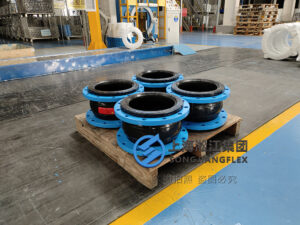
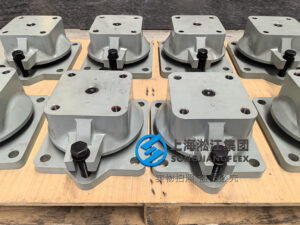
Why Do Marine Refrigeration Unit Systems Require Specially Customized Square Flange Rubber Expansion Joints?
Marine refrigeration units face extreme environments such as vibrations, thermal expansion, and corrosion. How can these challenges be overcome to ensure equipment durability and efficiency? Square flange rubber expansion joints provide the perfect solution to these problems.
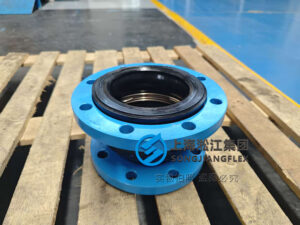
Square flange rubber expansion joints play a critical role in marine refrigeration unit systems. They effectively absorb vibrations, handle thermal expansion, and prevent corrosion, enhancing the reliability and performance of the refrigeration equipment.
In this article, we will explore why square flange rubber expansion joints are essential for marine refrigeration units and how they contribute to the system’s efficiency.
1. What Are the Roles of Square Flange Rubber Expansion Joints?
Square flange rubber expansion joints are a key component in marine refrigeration equipment, designed to absorb pipeline vibrations and thermal expansion, ensuring smooth system operations.
These joints provide critical vibration isolation in marine refrigeration unit systems and refrigeration system expansion joints, reducing equipment failure rates and improving system reliability.
The material of square flange rubber expansion joints is carefully selected to withstand high temperatures and pressures. This ensures that the joints can handle the unique challenges of marine refrigeration systems while providing long-lasting performance.
2. Why Do Marine Refrigeration Unit Systems Need Custom Expansion Joints?
Marine refrigeration unit systems operate under specific conditions that require custom rubber expansion joints to ensure optimal functionality and durability.
Customized expansion joints are designed to match the exact dimensions and pressure requirements of the system, improving refrigerant pipeline sealing and overall efficiency.
Custom parts for marine refrigeration units are essential to ensure a perfect fit. They also offer tailored solutions to absorb thermal expansion and vibrations, preventing system failures.
3. Why Choose Square Flanges Over Round Flanges in Marine Refrigeration Systems?
Square flanges offer superior sealing and installation flexibility compared to round flanges, making them an ideal choice for compact marine refrigeration systems.
Square flange design optimizes space while providing better refrigerant pipeline sealing and reducing the risk of leaks in marine refrigeration systems.
In marine refrigeration unit systems, square flanges can handle higher pressures and temperatures, enhancing the performance of corrosion-resistant rubber expansion joints and ensuring a more reliable system.
4. Special Requirements for Marine Refrigeration Unit Equipment
Marine refrigeration unit systems face unique operating conditions, including extreme temperatures, pressures, and vibrations, which require special design and durable components.
Rubber expansion joints in these systems must have corrosion resistance, high pressure tolerance, and thermal stability to ensure reliable operation in harsh marine environments.
Materials like fluoroelastomers and high-performance NBR are used to enhance corrosion resistance. These materials ensure that expansion joints can perform under the challenging conditions typical of marine environments.
5. How Do Vibrations From Refrigeration Units Affect Pipelines and Equipment?
The vibrations generated by marine refrigeration units can cause pipeline fatigue, leaks, and damage to equipment.
Square flange rubber expansion joints absorb vibrations, reducing the risk of equipment damage and ensuring the stability of the refrigeration system.
By using rubber expansion joints for marine pipeline vibration isolation, refrigeration systems experience fewer mechanical failures and longer operational lifespans.
6. How Do Square Flange Rubber Expansion Joints Help Absorb Equipment Vibrations?
Square flange rubber expansion joints are designed to provide excellent vibration damping, preventing vibration-induced wear and tear on critical components of marine refrigeration units.
They efficiently absorb vibrations, ensuring smooth operation and minimizing wear and stress on refrigeration system components.
These joints are particularly important in marine refrigeration systems, where continuous vibration exposure can lead to premature equipment failure. They contribute to the overall longevity and efficiency of the system.
7. Why Are Corrosion-Resistant Materials Important in Marine Refrigeration Systems?
Marine refrigeration systems are highly susceptible to corrosion due to saltwater exposure. Corrosion-resistant rubber expansion joints play a crucial role in mitigating these risks.
By choosing corrosion-resistant rubber materials, marine refrigeration units are better protected against saltwater, chemicals, and harsh marine conditions.
Rubber expansion joints made from materials such as fluoroelastomer and high-quality NBR ensure long-lasting performance in salty and chemically aggressive marine environments.
8. How Do You Ensure the Longevity of Expansion Joints in Marine Environments?
Ensuring the longevity of expansion joints in marine refrigeration systems requires proper material selection, installation techniques, and regular maintenance.
Regular inspection, correct installation, and the use of high-quality, corrosion-resistant rubber expansion joints contribute to the long-term durability of the system.
By selecting the right materials for marine environment expansion joints and conducting regular maintenance, operators can ensure reliable operation in the face of salt exposure, temperature fluctuations, and high-pressure conditions.
9. How Does the Material of Rubber Expansion Joints Affect Their Corrosion Resistance?
The choice of rubber material significantly impacts the corrosion resistance of expansion joints, especially in marine refrigeration systems exposed to corrosive environments.
Fluoroelastomers and high-performance NBR offer superior resistance to saltwater and chemicals, making them ideal for marine refrigeration unit systems.
These materials provide excellent durability under extreme conditions, ensuring that the expansion joints continue to function effectively, even in harsh marine environments.
10. What Size and Customization Requirements Do Marine Refrigeration Systems Have for Expansion Joints?
Marine refrigeration systems come in various sizes and configurations, requiring customized expansion joints to ensure precise fit and optimal performance.
Custom rubber expansion joints allow for precise matching of the system’s size, pressure, and temperature specifications, improving overall efficiency and reducing system wear.
Customizing the size and specifications of expansion joints ensures a perfect fit for marine refrigeration systems, preventing potential failures due to poor fit or improper material choice.
11. How Do Pressure and Temperature Ranges of Refrigeration Pipes Influence the Choice of Expansion Joints?
The pressure and temperature conditions of refrigeration pipes significantly impact the selection of rubber expansion joints for marine refrigeration systems.
Expansion joints must be selected based on the system’s temperature and pressure requirements to ensure optimal functionality and longevity.
By matching the expansion joint’s pressure and temperature ratings with those of the refrigeration system, operators can prevent damage and ensure consistent operation.
12. How Do Square Flange Rubber Expansion Joints Improve Sealing and Safety in Marine Refrigeration Systems?
Square flange rubber expansion joints enhance the sealing and safety of marine refrigeration systems by preventing refrigerant leaks and improving the system’s overall integrity.
These joints offer superior sealing properties, reducing the risk of refrigerant leakage and ensuring a safe and efficient refrigeration system.
By improving the seal, square flange rubber expansion joints play a critical role in preventing refrigerant leakage, thus ensuring safety and reducing operational costs.
13. How Do Expansion Joints Prevent Refrigerant Leaks?
Expansion joints help maintain the integrity of refrigerant pipelines, preventing leaks by compensating for thermal expansion and vibration.
By absorbing vibrations and expansion, these joints maintain a tight seal, preventing refrigerant leaks and reducing system downtime.
Proper installation of expansion joints ensures that the refrigeration system operates without leaks, protecting the environment and ensuring efficient energy use.
14. Why Are Rubber Expansion Joints More Critical in Marine Refrigeration Systems?
Rubber expansion joints are especially critical in marine refrigeration systems due to the challenging operational conditions, such as constant vibrations, high pressures, and exposure to harsh marine environments.
They ensure system stability by absorbing vibrations and thermal expansion, preventing damage to equipment and pipelines.
The marine environment introduces additional stresses on refrigeration systems. Rubber expansion joints help manage these stresses, ensuring the system’s longevity and efficiency.
15. How Do You Select the Appropriate Material for Expansion Joints in Marine Refrigeration Systems?
Choosing the right material for expansion joints in marine refrigeration systems is crucial to ensure durability, corrosion resistance, and optimal performance under challenging conditions.
Fluoroelastomers, NBR, and other high-performance rubber materials are typically selected for their ability to resist saltwater corrosion and handle extreme temperatures.
Selecting the right material for rubber expansion joints ensures that they perform reliably in marine refrigeration units, extending system lifespan and minimizing downtime.
Summary
Square flange rubber expansion joints are essential for marine refrigeration systems, providing vibration isolation, thermal expansion compensation, and enhanced sealing to ensure efficient, long-term operation in harsh marine environments.