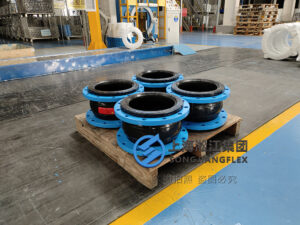
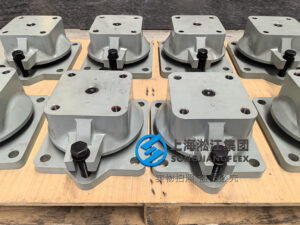
Why Are Rubber Expansion Joints Essential for Stable Operation of Main Generator Sets?
Main generator sets face vibration, thermal expansion, and pressure fluctuations that threaten stability. Rubber expansion joints absorb these stresses to prevent downtime.
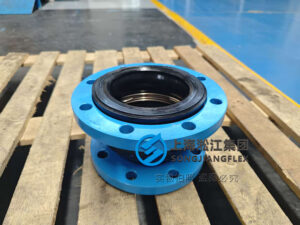
Rubber expansion joints absorb vibration, compensate for thermal expansion, and protect pipelines. They ensure main generator sets operate reliably while reducing maintenance costs. Ideal for industrial applications requiring noise reduction, pipeline protection, and generator system stability.
Let’s explore how rubber expansion joints improve vibration isolation and reliability in generator systems.
What Makes Main Generator Systems Vulnerable Without Rubber Expansion Joints?
Main generator sets operate under high mechanical stress, temperature fluctuations, and pressure variations, making pipelines prone to fatigue, leaks, and unexpected downtime.
Without rubber expansion joints, pipelines are vulnerable to cracks and leakage, reducing generator system reliability and increasing maintenance costs.
Rubber expansion joints provide pipeline protection and noise reduction, acting as flexible connectors that absorb mechanical stress. By isolating vibration, they safeguard connected equipment and help maintain generator set stability under heavy operational loads.
How Do Rubber Expansion Joints Reduce Vibrations in Main Generator Sets?
Mechanical vibrations from main generator sets can damage pipes and connected equipment, leading to costly repairs or unplanned shutdowns.
Rubber expansion joints minimize vibration transmission, providing effective vibration isolation that protects pipelines and equipment.
Flexible pipeline connectors dissipate vibrational energy, preventing fatigue and leaks. These anti-vibration solutions enhance equipment protection and contribute to overall generator system reliability, ensuring smooth and quiet operation.
Why Are Flexible Rubber Joints Important for Thermal Expansion Compensation in Generator Pipelines?
Thermal expansion in generator pipelines generates stress that can deform or rupture rigid connections, threatening operational safety.
Rubber expansion joints offer thermal expansion compensation, absorbing length changes and reducing pipeline stress.
Industrial rubber joints are designed to accommodate temperature variations in main generator sets. By compensating thermal expansion, they maintain pipeline integrity, reduce maintenance interventions, and ensure continuous generator system reliability.
What Types of Vibrations and Stresses Affect Generator Set Pipelines?
Generator pipelines face mechanical vibrations, pressure surges, and thermal stress that can accumulate, causing fatigue or leakage.
Rubber expansion joints effectively buffer multiple stress types, maintaining generator system stability and reducing equipment wear.
Anti-vibration solutions prevent vibrations from transferring to sensitive components. Properly selected rubber expansion joints provide long-term protection, enhance noise reduction, and contribute to overall pipeline and equipment protection.
How Do Rubber Expansion Joints Protect Connected Equipment from Pipe Fatigue and Leaks?
Vibrations and pressure fluctuations can transmit stress to pumps, valves, and other equipment, accelerating wear and causing leaks.
Rubber expansion joints absorb stress and prevent pipeline fatigue, safeguarding connected equipment and ensuring pipeline integrity.
By acting as flexible connectors, these joints reduce maintenance requirements and downtime. Industrial rubber joints enhance pipeline protection and provide anti-vibration solutions that reduce operational risks in generator systems.
What Role Do Rubber Expansion Joints Play in Maintaining System Reliability and Uptime?
Generator systems require uninterrupted operation, but mechanical stress and thermal changes threaten uptime and reliability.
Rubber expansion joints ensure pipelines and equipment remain stable, minimizing unplanned shutdowns and maximizing generator system reliability.
Through vibration isolation, thermal expansion compensation, and flexible connectivity, rubber expansion joints improve generator set stability. This reliable performance is crucial for industrial applications where continuous power supply is essential.
How Do Material Selection and Design Influence the Performance of Rubber Expansion Joints in Generator Sets?
The choice of materials and design directly impacts a joint’s durability, temperature tolerance, and vibration isolation capacity.
Selecting suitable materials, like EPDM or NBR, and proper design ensures optimal vibration isolation, thermal expansion compensation, and system reliability.
High-pressure rubber expansion joints and custom rubber expansion joints can be tailored to specific generator set operating conditions, enhancing anti-vibration performance, pipeline protection, and overall equipment protection.
Why Is Proper Installation Critical for the Effectiveness of Rubber Expansion Joints?
Incorrect installation can lead to misalignment, reduced vibration absorption, leaks, and premature failure.
Proper installation ensures rubber expansion joints provide effective pipeline protection, equipment protection, and noise reduction.
Following manufacturer guidelines guarantees generator system reliability. Correct positioning, torqueing, and support prevent strain on pipelines and maintain anti-vibration performance throughout the system’s lifespan.
How Do Rubber Expansion Joints Contribute to Reducing Maintenance Costs for Generator Systems?
Frequent repairs and equipment downtime increase operational costs in generator systems.
Rubber expansion joints reduce pipeline stress, prevent leaks, and minimize maintenance frequency, achieving significant maintenance cost reduction.
Anti-vibration solutions and thermal expansion compensation extend equipment life, lower repair costs, and improve uptime. This makes rubber expansion joints an economically beneficial investment for generator systems.
What Are the Differences Between Standard and High-Performance Rubber Expansion Joints for Generator Sets?
Standard and high-performance joints vary in pressure tolerance, thermal limits, and durability, affecting system reliability.
High-performance joints provide superior vibration isolation, thermal expansion compensation, and extended lifespan for demanding generator set applications.
Selecting the appropriate type ensures optimal generator set stability. High-performance industrial rubber joints are essential for high-pressure, high-temperature pipelines requiring continuous operation.
How Do Rubber Expansion Joints Enhance Safety in High-Pressure or High-Temperature Generator Pipelines?
High-pressure or high-temperature pipelines are prone to leaks, bursts, and mechanical failures without proper stress relief.
Rubber expansion joints absorb pressure spikes and thermal stress, enhancing safety and protecting connected equipment.
High-pressure rubber expansion joints prevent catastrophic failures by providing reliable pipeline protection. They are essential for industrial applications where generator set safety and continuous operation are critical.
Which Industries Rely Most on Rubber Expansion Joints for Generator Set Applications?
Industries like power generation, chemical, metallurgy, and petroleum heavily depend on stable generator operation.
Rubber expansion joints support these industries by ensuring generator system reliability, equipment protection, and vibration isolation.
Industrial rubber joints are widely adopted where uninterrupted power and anti-vibration solutions are vital, demonstrating their essential role across sectors demanding generator set stability.
How Can Customized Rubber Expansion Joints Optimize Generator Set Performance Under Specific Operating Conditions?
Special operating conditions require tailored vibration absorption, thermal expansion, and pipeline flexibility.
Custom rubber expansion joints provide optimal vibration isolation, thermal expansion compensation, and noise reduction, enhancing generator system reliability.
By matching material, size, and design to specific generator set requirements, custom joints ensure equipment protection, pipeline protection, and maintenance cost reduction while maximizing system uptime.
Summary
Rubber expansion joints ensure main generator sets’ vibration isolation, thermal expansion compensation, equipment protection, and reliable, efficient, safe operation.