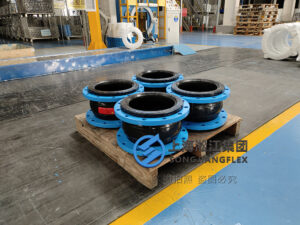
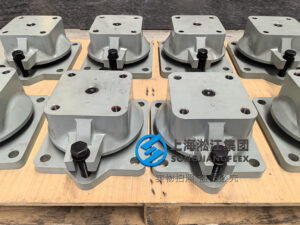
Why Are Custom PTFE-Lined Stainless Steel Bellows Expansion Joints Essential for Chemical Plant Piping Systems?
Chemical pipelines face extreme corrosion, heat, and pressure fluctuations. Conventional expansion joints often fail, causing leaks and shutdowns. Custom PTFE-lined stainless steel bellows provide a reliable solution.
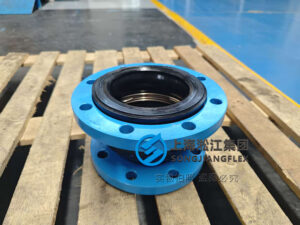
A custom PTFE-lined stainless steel bellows expansion joint is essential for chemical plant piping because it combines chemical resistance, thermal expansion compensation, and leak prevention. PTFE lining protects against corrosive media, while stainless steel bellows absorb thermal movement and pressure fluctuations, ensuring long-term safety and reliability in complex chemical piping systems.
To understand their importance, let’s examine material performance, structural design, customization needs, and safety benefits in chemical pipelines.
What Makes PTFE Lining Essential for Chemical Plant Piping Systems?
In chemical plants, pipelines continuously transport aggressive fluids that can rapidly degrade standard metal components, making internal corrosion protection a critical design requirement.
PTFE lining is essential because it provides outstanding resistance to acids, alkalis, solvents, and other corrosive media. As a chemically inert material, PTFE prevents internal corrosion, reduces contamination risks, and maintains stable performance in chemical resistant expansion joints used in harsh process environments.
Chemical piping systems often handle sulfuric acid, hydrochloric acid, sodium hydroxide, chlorinated compounds, and various organic solvents. Even high-grade stainless steel can suffer from pitting, crevice corrosion, or stress corrosion cracking under such conditions. A PTFE-lined bellows compensator creates an inert barrier between the fluid and the metal structure, ensuring acid and alkali resistant piping while maintaining smooth internal flow and long-term operational stability.
How Do Stainless Steel Bellows Expansion Joints Handle Thermal Expansion and Pressure Fluctuations?
Temperature changes and pressure variations are unavoidable in chemical pipelines, especially during start-up, shutdown, and fluctuating process loads.
Stainless steel bellows expansion joints absorb axial, lateral, and angular movement caused by thermal expansion and pressure fluctuations. Their flexible corrugated structure allows controlled deformation, protecting pipelines, pumps, and vessels from excessive stress and mechanical damage.
As a chemical pipeline thermal expansion solution, stainless steel bellows are engineered to withstand high temperatures and cyclic pressure loads. They compensate for pipe elongation, reduce vibration transmission, and absorb pressure surges generated by valves and pumps. When combined with PTFE lining, the bellows not only manage mechanical movement but also maintain corrosion resistance, making them ideal stainless steel bellows for chemical pipelines.
Why Is Customization Critical for PTFE-Lined Expansion Joints in Chemical Plants?
Unlike general industrial piping, chemical plant layouts are highly customized, with complex routing, varying standards, and strict safety requirements.
Customization is critical because standard expansion joints rarely match the exact pressure, temperature, media, and connection requirements of chemical systems. A custom PTFE-lined expansion joint ensures precise compatibility with operating conditions, reducing installation risks and long-term failure.
Chemical plants often use different flange standards (ANSI, DIN, JIS), non-standard pipe diameters, and unique movement requirements. Standard expansion joints may suffer from misalignment, insufficient flexibility, or premature fatigue. Custom PTFE-lined stainless steel bellows for chemical plants are engineered as custom piping components, ensuring proper fit, optimized bellows geometry, and reliable performance throughout the system’s service life.
What Design Factors Should Be Considered When Selecting a Custom PTFE-Lined Expansion Joint?
Selecting the right expansion joint requires careful evaluation of mechanical, chemical, and operational parameters specific to each chemical piping application.
Key design factors include design pressure, operating temperature, corrosive media type, PTFE thickness, bellows geometry, and fatigue life. These parameters directly impact chemical pipeline safety design and long-term reliability.
Engineers must consider whether the joint will experience high temperature cycles, vacuum conditions, or frequent pressure fluctuations. PTFE lining thickness and forming method influence durability and permeation resistance. Additionally, fatigue life calculations, pressure testing, and leak testing are essential to ensure the corrosion resistant piping compensator meets safety and performance expectations in demanding chemical environments.
How Do PTFE-Lined Bellows Expansion Joints Improve Pipeline Safety and Reduce Leakage Risks?
Pipeline safety is a top priority in chemical plants, where leaks can lead to environmental damage, equipment failure, and serious personal injury.
PTFE-lined bellows expansion joints significantly improve safety by providing a leak-proof expansion joint for chemical pipelines. The PTFE liner prevents chemical attack, while the stainless steel bellows maintain structural strength and pressure containment.
This dual-layer design minimizes the risk of corrosion-induced perforation and stress-related cracking. By isolating aggressive media from the metal structure, PTFE-lined expansion joints reduce unexpected leakage, improve system integrity, and support compliance with strict environmental and safety regulations common in chemical processing facilities.
How Does a PTFE-Lined Stainless Steel Bellows Expansion Joint Extend the Service Life of Chemical Piping Systems?
Long service life is a key consideration for chemical plant operators aiming to reduce maintenance costs and unplanned downtime.
A PTFE-lined stainless steel bellows expansion joint extends service life by minimizing corrosion, reducing mechanical stress, and maintaining stable performance under high temperature and pressure conditions.
By preventing internal corrosion and absorbing thermal and mechanical movement, these joints protect the entire piping system from accelerated wear. High temperature PTFE-lined bellows expansion joints reduce maintenance frequency and lower total lifecycle costs. Choosing an experienced chemical piping system expansion joint manufacturer further ensures consistent quality, reliable testing, and long-term operational confidence.
Summary
Custom PTFE-lined stainless steel bellows expansion joints deliver corrosion resistance, flexibility, leak prevention, and long service life, making them essential for safe and reliable chemical plant piping systems.