
Bellows Compensator/Expansion Joint
Expertly Crafted Rubber Shear Mounts, Ensuring Stability and Durability
Our products
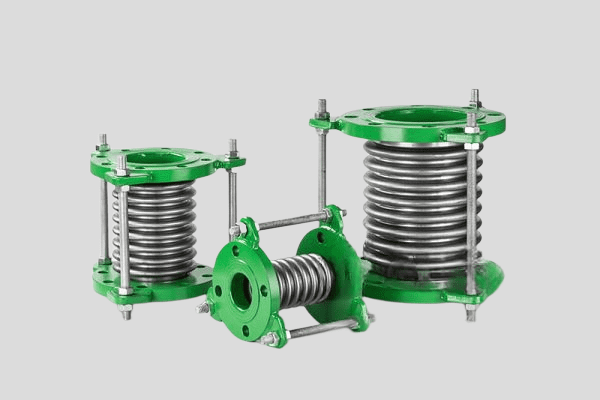
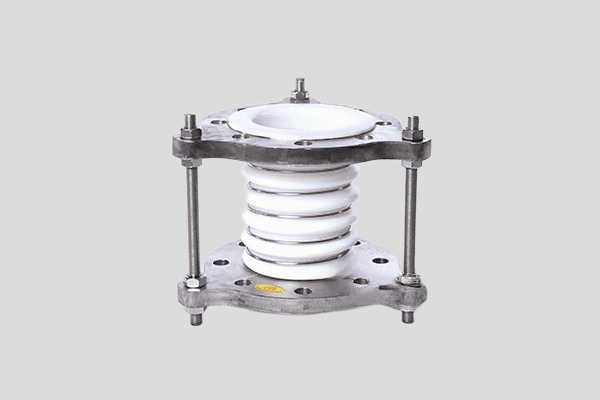
Bellows Expansion Joint
Product Showcase
Reliable Bellows Expansion Joints You Can Trust
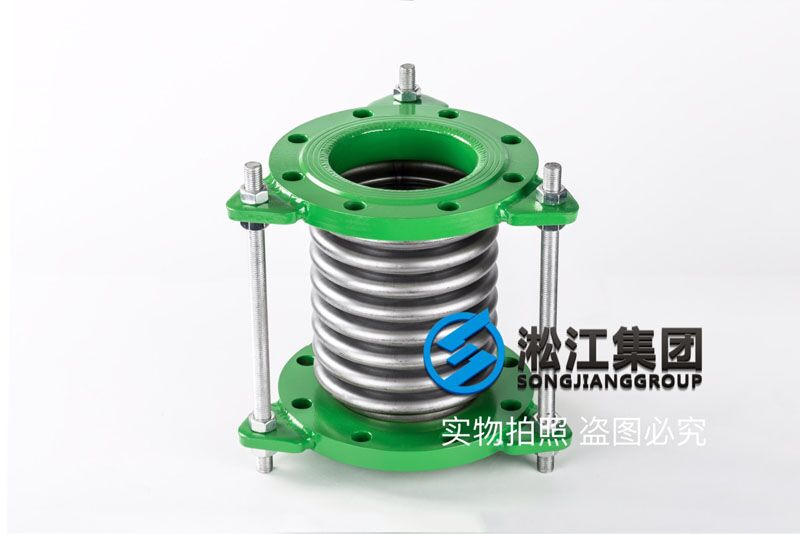
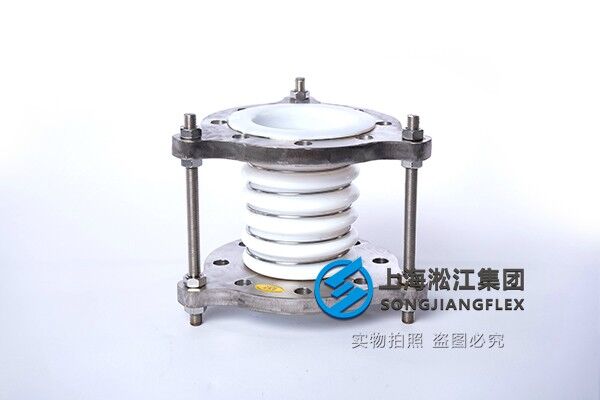
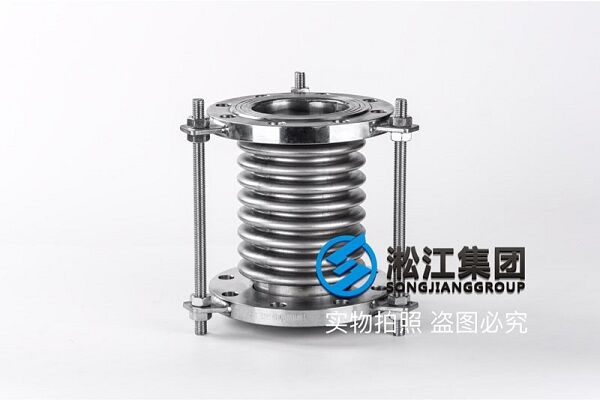
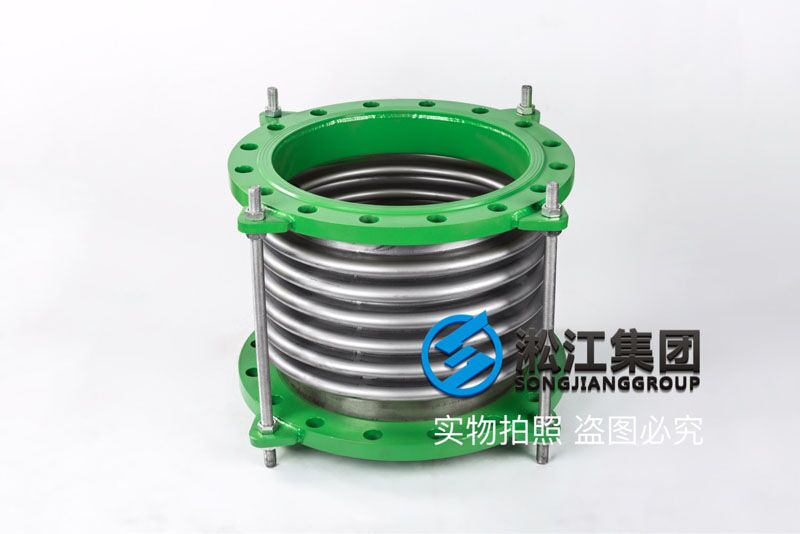
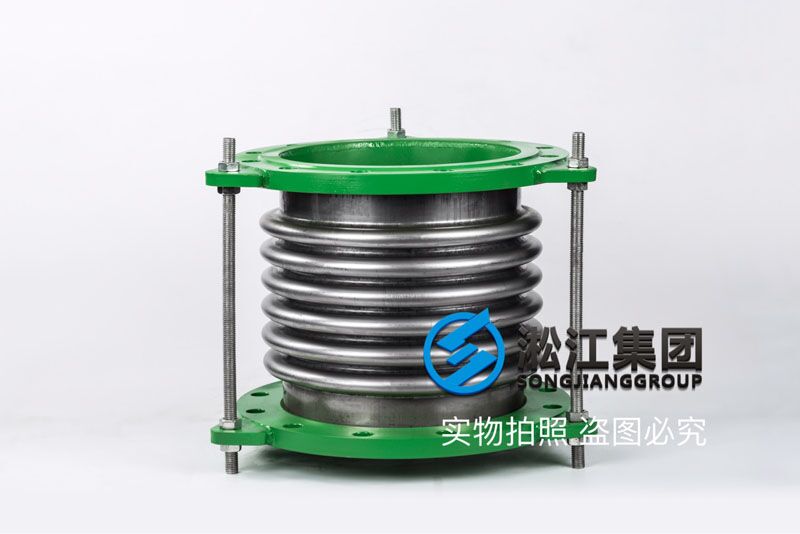
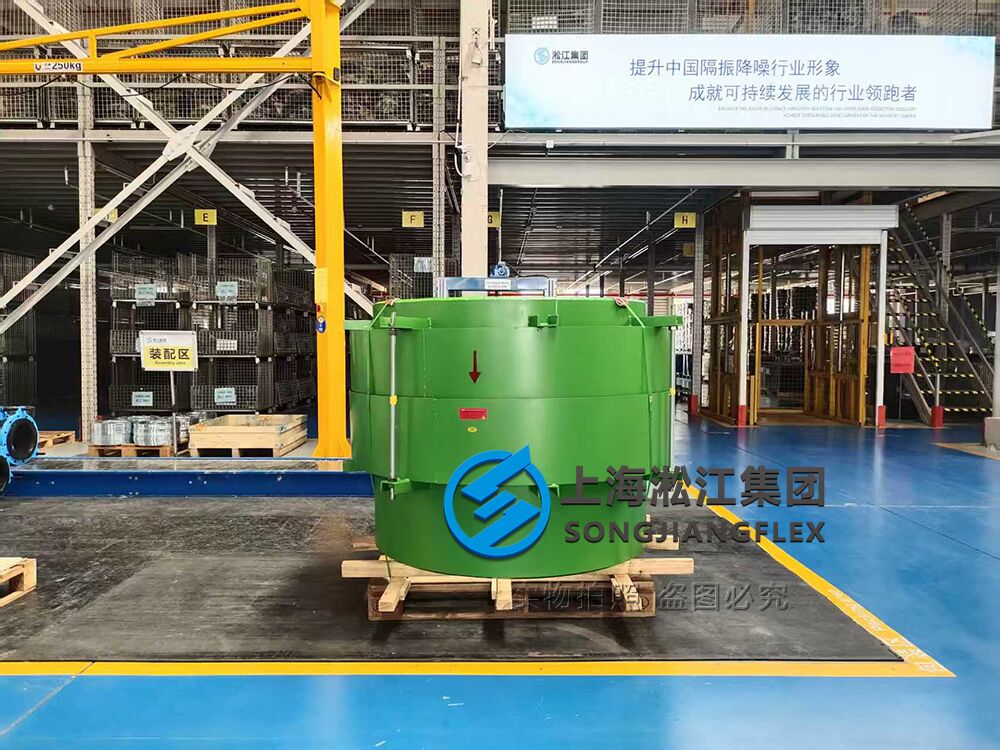
Customizable
Why Choose Us
Trusted Rubber Expansion Joint Manufacturer with 30 Years of Expertise
Factory-direct solutions with natural rubber, customizable options, reliable quality, and trusted performance.
We own and operate our factory, ensuring strict quality control, stable lead times, and support for small-batch customization
With over three decades in vibration isolation, we offer trusted solutions backed by rich technical knowledge and real-world application.
Our isolators use pure natural rubber for excellent elasticity, durability, and superior shock absorption compared to synthetic materials.
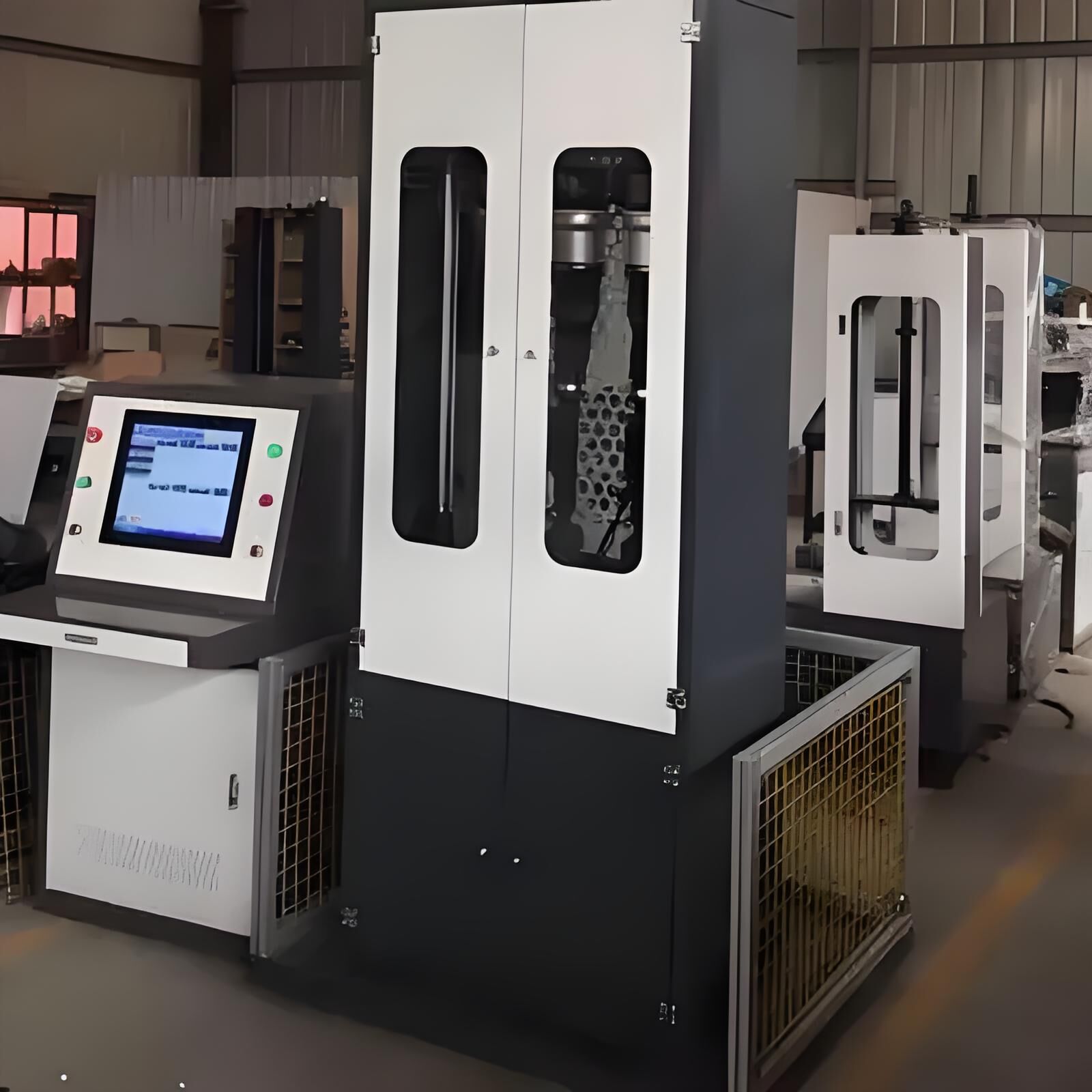
Our ISO-compliant production lines and testing systems ensure consistent quality and reliable performance across all batches.
+86 13032112360
Common Questions
Most Popular Questions
Bellows expansion joints are engineered to absorb axial, lateral, and angular displacements in piping systems. Axial movement occurs along the pipe’s longitudinal axis, typically due to thermal expansion or contraction. Lateral movement is perpendicular to the pipe axis, often caused by misalignment or building settlement, while angular movement refers to bending or rotation of the pipe around the joint’s center. The bellows’ corrugated structure allows the metal to flex elastically under pressure, distributing stress uniformly across the folds. By compensating for these movements, bellows joints prevent excessive stress on the pipeline and connected equipment, minimize vibration-induced fatigue, and maintain system integrity. The effectiveness depends on the bellows material, convolution geometry, number of convolutions, and end fitting design.
The most common materials include stainless steels such as 304, 316, and 321, as well as exotic alloys like Inconel or Hastelloy for extreme environments. PTFE and other polymer-based bellows are used for chemical resistance. The choice of material directly influences fatigue life, corrosion resistance, and temperature tolerance. For example, 316 stainless steel provides excellent corrosion resistance in water and mild chemical applications, while Inconel withstands high-temperature steam or aggressive chemical exposure. Material thickness, convolution geometry, and tempering processes also contribute to durability. Selecting the right material requires considering media type, pressure, temperature range, and cyclic movement frequency.
Fatigue life calculation considers the number of expected pressure and movement cycles over the joint’s service life. Engineers analyze stress distribution across convolutions under axial, lateral, and angular displacement using finite element analysis (FEA) or empirical formulas provided in standards such as EJMA (Expansion Joint Manufacturers Association). The cyclic stress is compared to the material’s fatigue limit, factoring in manufacturing tolerances, weld quality, and operational conditions. Higher convolution counts increase flexibility but may reduce fatigue life due to localized stress concentrations. Proper design ensures the bellows can withstand millions of cycles without cracking or permanent deformation, providing reliable long-term service.
Thermal expansion occurs when pipeline temperatures fluctuate due to operational conditions or start-up/shutdown cycles. Bellows expansion joints provide flexibility along the pipe’s axis, allowing controlled elongation or contraction. The corrugated design absorbs expansion without imposing significant axial force on anchors or connected equipment. This reduces stress on supports, flanges, and the pipe wall. The number of convolutions, convolution depth, and material selection dictate the expansion joint’s capability. By strategically placing expansion joints in long pipelines, engineers can manage thermal expansion efficiently, reducing maintenance costs and extending pipeline service life.
Common failure modes include fatigue cracking, corrosion, buckling, and misalignment-induced overstress. Fatigue cracks usually develop at convolution peaks under repeated cyclic movement. Corrosion may occur if the material is incompatible with the fluid or environment. Buckling can result from insufficient lateral support or excessive axial compression. Prevention involves proper material selection, convolution design, installation alignment, and adherence to operational limits. Periodic inspection, pressure testing, and stress analysis help identify potential issues early. Using liners for chemical media or external restraints for long lateral movements further enhances reliability.
Vibration in pipelines arises from pumps, compressors, fluid turbulence, or mechanical equipment. The flexible bellows act as mechanical dampers, isolating vibrations and absorbing kinetic energy before it propagates through the pipeline. The corrugated structure provides compliance in multiple directions, allowing small oscillations to be absorbed rather than transmitted. Additionally, bellows joints reduce structure-borne noise by decoupling vibrating sections from rigid supports. Material properties, wall thickness, and joint geometry influence damping efficiency. In critical applications, bellows can be paired with external restraints or vibration dampers for enhanced noise reduction.
Single expansion joints have one set of convolutions and are suitable for moderate movements. Double expansion joints consist of two bellows separated by a center pipe, allowing higher movement absorption while reducing thrust forces transmitted to anchors. Tied or restrained joints include tie rods or guides to control axial, lateral, or angular movements, preventing overextension and reducing stress on connected equipment. The choice depends on pipeline movement requirements, available space, and the magnitude of forces generated during operation. Proper selection ensures safety, durability, and minimal impact on the system.
Pressure rating is based on the maximum operating pressure the joint can safely withstand. It considers internal pressure, thermal expansion forces, and external loads. Design standards such as EJMA provide formulas to calculate convolution thickness and number to achieve desired pressure ratings while maintaining flexibility. Material tensile strength, wall thickness, and fabrication quality are critical factors. Safety factors are applied to account for potential surges, temperature fluctuations, and installation tolerances. Pressure testing of each joint is often performed to verify compliance with rated specifications.
Yes, when constructed from suitable materials such as PTFE, Hastelloy, Inconel, or high-grade stainless steel, bellows joints can handle highly corrosive chemicals, acids, and solvents. Selection depends on fluid compatibility, operating temperature, and pressure. Protective linings, coatings, or bellows liners can further enhance resistance. Engineering guidelines recommend material testing and chemical compatibility analysis to ensure long-term performance without degradation, leaks, or failure.
Regular inspection involves checking for signs of cracking, corrosion, deformation, misalignment, and leakage. Non-destructive testing (NDT) techniques, such as dye penetrant, radiography, or ultrasonic testing, are often used for critical applications. Operational maintenance includes verifying that movements are within design limits, supports and anchors remain correctly positioned, and that external restraints are intact. Preventive maintenance schedules are recommended based on operating temperature, pressure cycles, and environmental conditions to maximize service life.
Engineers calculate axial, lateral, and angular movements based on pipeline layout, thermal expansion, and operating conditions. Using standards such as EJMA, they select the number of convolutions, convolution depth, and material thickness. Pressure and temperature requirements are combined with movement calculations to determine flange type, end connections, and tie rods if needed. Computational tools and FEA simulations are often used to optimize design for fatigue life, vibration damping, and stress minimization. Accurate sizing ensures reliable operation and system safety.
Bellows expansion joints enhance system flexibility, protect pipelines and equipment from thermal and mechanical stress, reduce vibration and noise, and accommodate misalignment. They allow for longer pipeline runs with fewer rigid anchors, simplify installation, and provide safer operation in high-pressure or high-temperature systems. Advanced designs, including custom materials, double bellows, and tied configurations, ensure optimal performance in demanding environments. By extending pipeline life and reducing maintenance costs, bellows joints contribute to operational efficiency and reliability.