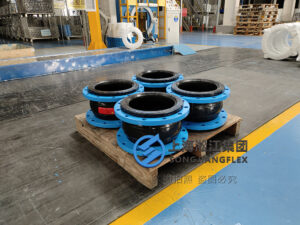
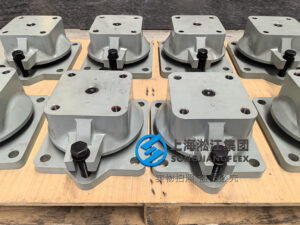
Why Are Flexible Rubber Hoses Essential for Hydraulic Joint Protection and Flexible Hose Function?
Hydraulic systems often face vibration, pressure spikes, and leakage issues. Flexible rubber hoses act as “joint guardians,” providing reliable protection and reducing operational risks effectively.
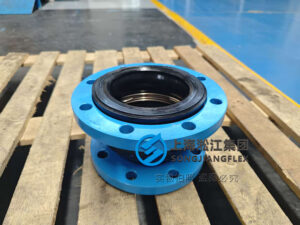
Flexible rubber hoses absorb vibration, compensate for misalignment, and prevent leaks, enhancing hydraulic system longevity and reliability. They are essential for hydraulic joint protection, ensuring system efficiency and reducing maintenance needs.
Let’s explore how flexible rubber hoses work, their applications, and maintenance best practices.
How Do Flexible Rubber Hoses Ensure Hydraulic System Failure Prevention and Hose Reliability?
Hydraulic systems experience pressure fluctuations and mechanical vibrations that can accelerate wear on pumps, valves, and pipes. Flexible hoses act as buffers, absorbing these forces to protect connected components.
By absorbing vibration and reducing mechanical shock, flexible rubber hoses protect hydraulic joints and maintain smooth system operation, improving overall efficiency (hydraulic joint protection, flexible hose function).
High-elasticity rubber materials dissipate energy from pressure spikes, reducing stress on pumps and valves. This prevents premature component failure, minimizes downtime, and lowers maintenance costs, making hydraulic systems more reliable for industrial applications.
How Does a Flexible Rubber Hose Provide Hydraulic Joint Protection and Reliable Industrial Hydraulic Applications?
Hydraulic joints are critical and vulnerable points in a system. Sudden pressure surges or movement can cause leaks or joint failure if connections are rigid.
Flexible hoses shield joints by absorbing stress and movement, enhancing reliability and preventing leakage (hydraulic joint protection, hose reliability).
By allowing controlled flexibility, these hoses reduce joint fatigue and prevent micro-cracks. This “joint guardian” function ensures continuous operation, protecting both machinery and operators from unexpected failures.
What Are the Common Failures in Hydraulic Systems That Flexible Rubber Hoses Prevent?
Leaks, hose ruptures, and joint wear are frequent causes of hydraulic system failure, leading to costly downtime and repairs.
Flexible rubber hoses prevent these failures by accommodating pressure changes, vibrations, and misalignment, ensuring consistent performance (hydraulic system failure prevention, hose reliability).
Properly selected hoses can absorb pulsations from pumps and valves, reducing the risk of sudden breaks. They protect sensitive components and help maintain consistent fluid pressure, improving system stability.
Which Industries Rely Most on Flexible Rubber Hoses for Hydraulic Systems?
Industrial applications differ widely, but heavy machinery, injection molding, and construction equipment rely heavily on hydraulic systems.
Flexible hoses are widely used across industrial hydraulic applications, supporting efficient and safe machinery operation (industrial hydraulic applications, hydraulic machinery use).
In industries like mining, automotive manufacturing, and injection molding, flexible hoses reduce downtime and protect expensive equipment. Their adaptability ensures reliable fluid transfer and system longevity under varying operational conditions.
How to Choose the Right Flexible Rubber Hose for Different Hydraulic Pressures?
Hydraulic pressure ratings determine hose performance. Selecting the wrong hose can lead to leaks or ruptures.
A proper hose selection guide considers pressure, flow rate, and compatibility, ensuring hydraulic pressure compatibility (hose selection guide, hydraulic pressure compatibility).
Choosing hoses involves matching the working pressure with burst ratings, considering bend radius, and verifying material compatibility with fluids. Following these guidelines prevents early failure and ensures smooth system operation.
What Are the Advantages of Using Flexible Rubber Hoses Over Rigid Pipes in Hydraulic Systems?
Rigid pipes cannot absorb vibration and are prone to leakage under dynamic conditions.
Flexible hoses improve hydraulic system efficiency by absorbing stress, accommodating movement, and reducing maintenance (flexible vs rigid piping, hydraulic system efficiency).
Compared to rigid piping, flexible hoses allow easier routing, vibration dampening, and thermal expansion accommodation. This reduces system strain, minimizes connection failures, and lowers overall operational risks.
How Does Temperature and Fluid Type Affect Flexible Rubber Hose Performance?
Hydraulic fluids and system temperatures influence hose durability. High temperature or incompatible fluids can accelerate wear.
Selecting materials with proper temperature resistance and fluid type compatibility ensures reliable performance (temperature resistance, fluid type compatibility).
EPDM hoses handle hot water and moderate hydraulic fluids, NBR suits petroleum-based oils, while fluororubber excels in high-temperature or chemically aggressive environments. Correct material selection extends service life and prevents unexpected failures.
What Are the Installation Best Practices for Flexible Rubber Hoses in Hydraulic Machinery?
Incorrect installation can lead to twisting, kinking, or premature wear. Proper handling is essential.
Maintaining bend radius, securing connections, and avoiding torsion ensures hydraulic hose installation best practices (hydraulic hose installation, best practices).
Hoses should be routed without sharp bends, protected from abrasion, and periodically inspected. Proper clamps, supports, and alignment reduce strain on both hoses and joints, promoting safer operation.
Can Flexible Rubber Hoses Reduce Maintenance Costs in Hydraulic Systems?
Frequent downtime and repairs are costly for industrial operators.
Durable flexible hoses reduce maintenance cost and extend equipment life (maintenance cost reduction, durable hydraulic components).
By preventing leaks and component damage, flexible hoses minimize emergency repairs. Routine inspection of hoses further reduces unscheduled maintenance, saving both labor and operational expenses.
How Long Do Flexible Rubber Hoses Typically Last in Industrial Hydraulic Applications?
Hose lifespan depends on pressure, temperature, fluid type, and maintenance practices.
With proper selection and care, hose service life supports industrial equipment longevity (hose service life, industrial equipment longevity).
Regular inspection, correct installation, and choosing appropriate materials can extend hose life from 3 to 10 years, depending on operational conditions, reducing downtime and replacement frequency.
How Do Flexible Rubber Hoses Improve Safety in Hydraulic Systems?
High-pressure hydraulic systems pose risks of leaks, bursts, and equipment damage.
Flexible hoses enhance hydraulic system safety by absorbing pressure spikes and reducing risk of failures (hydraulic system safety, risk reduction).
By cushioning vibrations, accommodating movement, and preventing sudden ruptures, flexible hoses protect operators and machinery, providing a safer industrial environment.
Summary
Flexible rubber hoses protect hydraulic joints, improve system efficiency, extend equipment life, reduce maintenance, and ensure industrial hydraulic safety.