Ethylene Glycol Pipeline Leak Prevention Solution: Analysis of the Flexible Rubber Expansion Joint
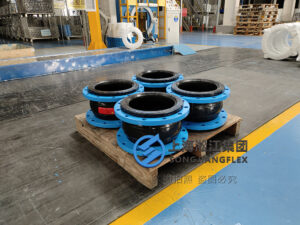
In ethylene glycol pipeline systems, leaks are a significant issue. How can these leaks be effectively prevented? The flexible rubber expansion joint serves as the perfect solution to address this challenge. By absorbing vibrations and compensating for thermal expansion, it ensures that pipelines remain intact even under varying pressures and temperature conditions.
The specialized flexible rubber expansion joint is crucial for preventing leaks in ethylene glycol pipelines. With its high flexibility and excellent corrosion resistance, it effectively reduces the risk of leaks caused by pressure fluctuations, vibrations, and thermal expansion within the pipeline system.
Let’s explore in more detail how this product works, including its structure and how it contributes to the long-term integrity of the pipeline.
What is a Flexible Rubber Expansion Joint?
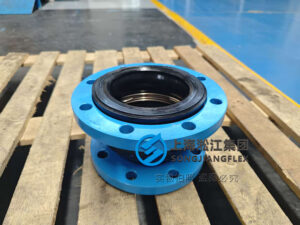
A flexible rubber expansion joint is a vital component used to connect sections of pipeline while allowing for controlled movement. These joints are designed to absorb vibrations, handle pressure fluctuations, and accommodate thermal expansion without causing damage to the pipeline.
Manufactured from durable, high-strength rubber compounds, flexible rubber expansion joints provide superior flexibility, sealing ability, and resistance to corrosion. They help to eliminate stresses that typically arise in rigid pipelines, making them essential for systems carrying volatile or corrosive liquids like ethylene glycol.
Flexible rubber expansion joints are used in a wide variety of industries such as oil and gas, petrochemicals, and power generation. Their key role in ethylene glycol pipelines is to prevent pipeline damage caused by the forces of thermal expansion, vibration, and pressure changes. These joints are especially important in harsh industrial environments where metal components might corrode or become brittle over time.
In ethylene glycol systems, rubber expansion joints act as shock absorbers, allowing pipelines to flex and adjust to pressure changes without compromising the system’s integrity. This ensures that the pipeline remains sealed, even when subjected to external forces.
Why are Ethylene Glycol Pipelines Prone to Leaks?
Ethylene glycol pipelines are vulnerable to leaks due to the nature of the fluid they carry. Ethylene glycol, a commonly used antifreeze and coolant, is highly sensitive to temperature fluctuations and pressure changes, both of which can lead to significant issues in pipeline systems.
Temperature fluctuations and pressure spikes often result in the expansion and contraction of the pipeline material. When these changes are not accommodated, they can cause cracks, deformation, and eventually leaks. This problem is exacerbated in environments where corrosive substances like ethylene glycol are in constant flow.
The combination of thermal expansion, pressure cycles, and vibrations in pipelines carrying ethylene glycol can cause the pipe material to weaken over time. Even the smallest crack in the pipeline can result in leaks, which could not only cause system failure but also lead to costly environmental damage and operational downtime.
By incorporating a flexible rubber expansion joint, the stresses caused by thermal expansion and pressure changes are absorbed by the joint, reducing the strain on the pipeline itself. The flexibility of the rubber expansion joint allows for natural movement within the system, mitigating the risk of cracks or leaks that are often seen in rigid, unyielding connections.
What Are the Advantages of a Flexible Rubber Expansion Joint?
When compared to traditional metal connectors, flexible rubber expansion joints offer significant advantages, particularly in their ability to absorb shock, resist corrosion, and provide flexibility in movement. These attributes make them ideal for use in complex pipeline systems like those handling ethylene glycol.
The main advantage of a flexible rubber expansion joint is its ability to absorb vibrations and thermal expansion. Unlike metal connectors, which are rigid and prone to failure under stress, rubber expansion joints flex and adapt to changes in the pipeline, maintaining the integrity of the entire system even under extreme conditions.
Flexible rubber expansion joints are far more durable in applications where vibration, temperature changes, and corrosive substances are factors. In an ethylene glycol pipeline, these joints help prevent damage from pressure surges, environmental stress, and mechanical vibrations. The elasticity of the rubber material allows the joints to absorb these forces, reducing the likelihood of pipe fatigue and extending the lifespan of the pipeline system.
Furthermore, rubber expansion joints have superior resistance to corrosion compared to metal components. Ethylene glycol, often exposed to heat and pressure, can accelerate corrosion in traditional materials. Rubber, however, resists this kind of degradation, ensuring that the pipeline operates safely and efficiently over time.
Real-World Applications of Flexible Rubber Expansion Joints in Ethylene Glycol Pipelines
Across various industries, flexible rubber expansion joints have proven their value in ethylene glycol pipeline systems, providing reliable and long-lasting protection against leaks.
Case studies show that these expansion joints have effectively reduced the risk of leaks in industrial pipelines, leading to a safer and more cost-effective operation. By ensuring that pipelines can withstand pressure changes and vibrations, rubber expansion joints have contributed to the overall performance and longevity of ethylene glycol systems.
In one example, a major chemical plant in the Middle East replaced their traditional metal joints with flexible rubber expansion joints in their ethylene glycol pipelines. The result was a dramatic reduction in pipe failures and leaks, as the rubber joints absorbed the pressures and vibrations that had previously caused damage.
Similarly, in a large-scale HVAC system in North America, the addition of rubber expansion joints led to a smoother flow of ethylene glycol, minimizing wear and tear on the system. The expansion joints prevented the kind of thermal expansion and pressure surges that often lead to pipe rupture, ensuring the system operated continuously without costly shutdowns.
These real-world applications highlight the critical role that flexible rubber expansion joints play in maintaining the safety and efficiency of ethylene glycol pipeline systems across a wide range of industries.
Summary:
Flexible rubber expansion joints are the ideal solution for preventing leaks in ethylene glycol pipelines. Their ability to absorb vibrations, resist corrosion, and accommodate thermal expansion makes them essential for ensuring the long-term safety, stability, and performance of these critical