
BGF-PTFE Type PTFE Corrugated Expansion Joint
Flexible Strength, Reliable Safety
BGF-PTFE Type PTFE Corrugated Expansion Joint – Product Introduction
Product Overview:
The BGF-PTFE Type PTFE Corrugated Expansion Joint is a high-performance compensator specifically designed for use in the chemical, pharmaceutical, and food industries. Combining PTFE (Polytetrafluoroethylene) material with a corrugated structure, it offers exceptional corrosion resistance, high-temperature tolerance, and pressure resistance. This expansion joint effectively absorbs pipe displacements caused by thermal expansion, vibration, and other factors, reducing system stress and extending the lifespan of equipment.
Key Features:
Exceptional Chemical Resistance
Made from high-quality PTFE material, it exhibits outstanding resistance to acids, alkalis, and solvents, making it ideal for pipelines handling highly corrosive media in the chemical industry.High-Temperature Resistance
PTFE material can operate within a wide temperature range, withstanding high temperatures, making it suitable for the transportation of hot gases or liquids.Wide Applicability
Suitable for various pipeline systems in the chemical, pharmaceutical, and food industries, especially in applications requiring high cleanliness and contamination-free environments, meeting stringent hygiene standards.High Pressure Tolerance
The product has excellent pressure resistance, capable of withstanding high-pressure environments, ensuring system stability even under extreme conditions.Vibration Absorption
Its corrugated design effectively absorbs pipeline vibrations and displacements, reducing the risk of damage to pipes and equipment.High Elasticity and Wear Resistance
The PTFE material’s high elasticity allows the compensator to maintain performance over a large displacement range, while its wear-resistant properties extend its service life.
Applications:
Chemical Industry
In chemical reactions and solvent transportation pipelines, the BGF-PTFE expansion joint ensures the stability and safety of the pipeline system, preventing failures caused by corrosion or vibration.Pharmaceutical Industry
Suitable for clean pipeline systems in pharmaceutical production, especially where high purity and contamination-free media are required, ensuring that no contamination occurs during the production of pharmaceuticals.Food Industry
In food processing, the BGF-PTFE expansion joint guarantees the sealing and hygienic integrity of pipeline systems, preventing losses due to vibration or pressure fluctuations during food production.
Technical Parameters:
Material: PTFE (Polytetrafluoroethylene)
Temperature Range: -60°C to +260°C
Pressure Range: 1.0MPa to 10.0MPa
Compensation Capacity: Customizable based on specific requirements
Standards: Manufactured according to GB/T, ANSI, DIN, and other international standards
Conclusion:
The BGF-PTFE Type PTFE Corrugated Expansion Joint offers outstanding performance and broad application prospects, making it an indispensable component in pipeline systems in the chemical, pharmaceutical, and food industries. With its excellent chemical resistance, high-temperature tolerance, and pressure resistance, it significantly enhances the safety and stability of pipeline systems, ensuring long-term, efficient operation.
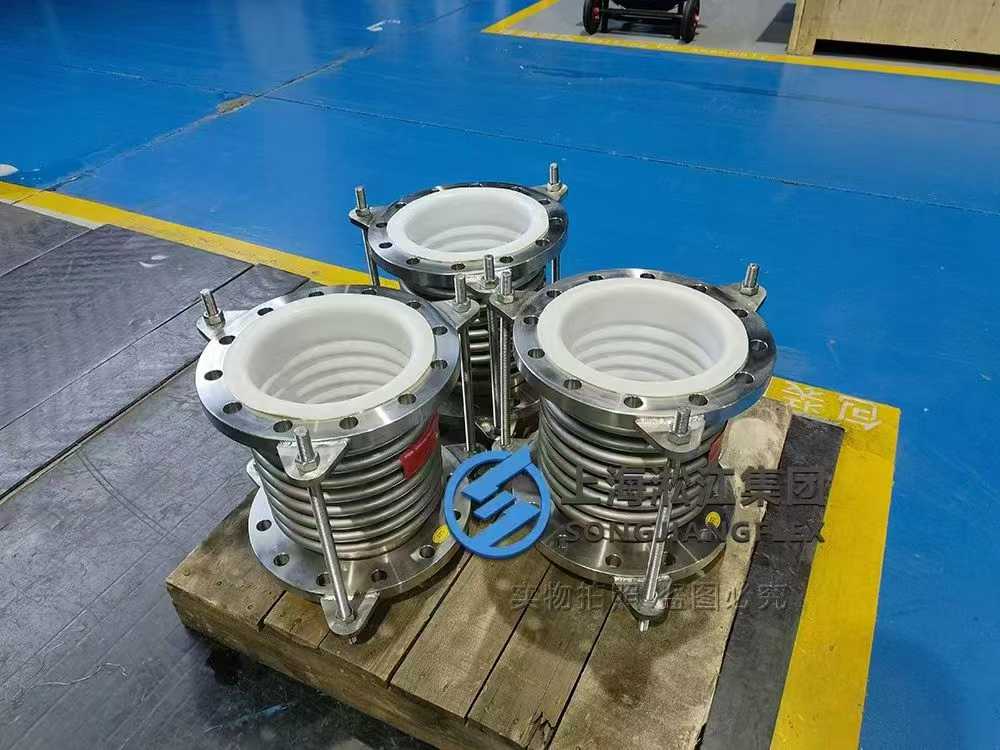
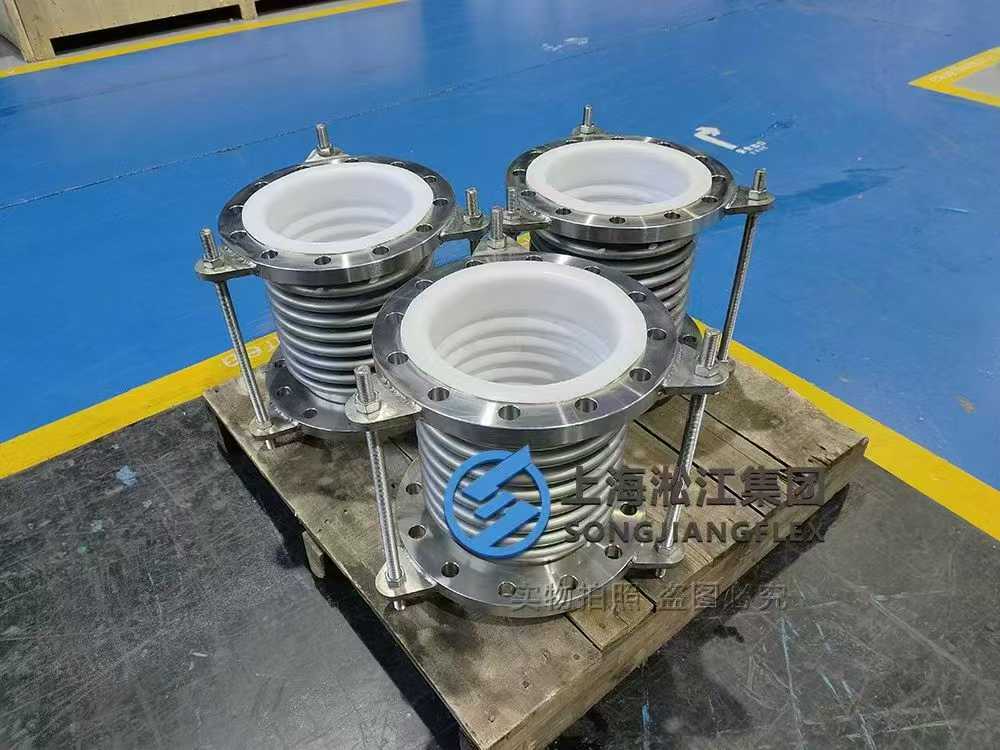
BGF-PTFE Type PTFE Corrugated Expansion Joint – Product Photo
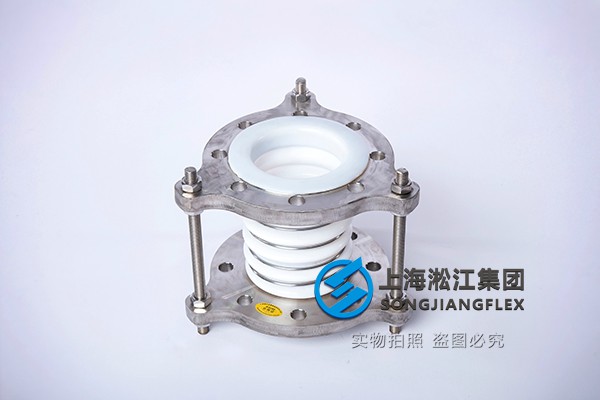
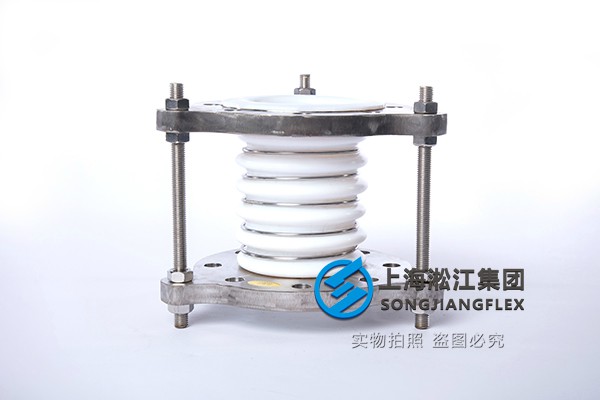
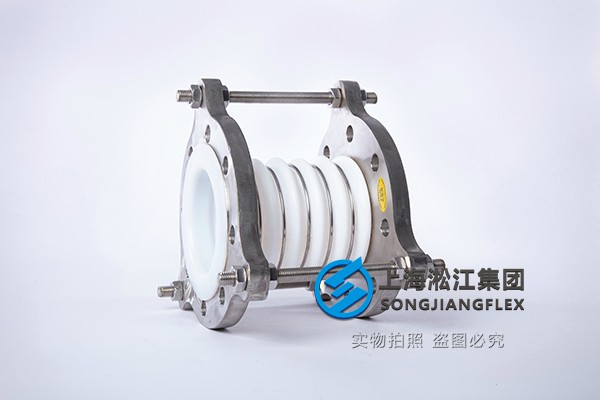
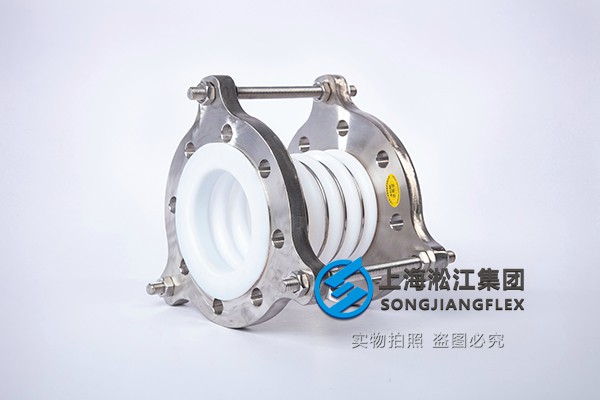
A PTFE Corrugated Expansion Joint is an essential component used in piping systems to absorb movements caused by thermal expansion, vibration, and other mechanical stresses. It is made from PTFE (Polytetrafluoroethylene) material, which is widely recognized for its exceptional chemical resistance and ability to withstand high temperatures. The corrugated structure further enhances the flexibility and performance of the joint, enabling it to absorb axial, lateral, and angular movements in the pipeline.
The corrugated expansion joint works as a compensator for thermal expansion or contraction in pipes, which occurs due to temperature changes. When pipes expand or contract due to heat or cool environments, the expansion joint compensates for the movement, preventing damage or unnecessary stress to the pipeline and connected equipment. In addition to thermal expansion, the expansion joint also helps to reduce the effects of vibrations, which may be caused by pumps, compressors, or other machinery in the system.
The primary function of the PTFE Corrugated Expansion Joint is to provide flexibility and reduce stress on the piping system. The use of PTFE material ensures that the expansion joint remains highly resistant to chemical corrosion and high temperatures, making it suitable for applications in aggressive chemical environments, such as in the chemical, pharmaceutical, and food industries. PTFE's non-reactive nature also makes it a preferred choice for hygienic industries, as it does not contaminate the transported media.
These expansion joints are also designed to handle high-pressure systems, which makes them ideal for a variety of industrial applications. In most cases, the joints are designed with flanged ends to connect easily to pipelines, which also ensures that the connection remains secure and leak-free. The corrugated structure, combined with the PTFE material, creates a joint that can absorb substantial pipe movements while maintaining its structural integrity.
One of the key benefits of PTFE corrugated expansion joints is their ability to prevent system failure due to excessive stress or vibration. Without expansion joints, pipes may become damaged or cracked due to thermal cycling or mechanical forces. The joints act as a protective barrier, extending the life of both the pipeline and the equipment connected to it. By absorbing vibrations and movements, they also help to reduce noise levels, which is particularly important in industries where noise pollution is a concern.
In summary, PTFE Corrugated Expansion Joints are versatile, durable, and essential for maintaining the integrity of piping systems in industries requiring chemical resistance, high temperatures, and flexibility. They provide significant benefits by reducing the risk of pipeline damage, enhancing system reliability, and extending equipment life.
The BGF-PTFE Expansion Joint is designed for use in a wide variety of industries, including chemical processing, pharmaceuticals, and food production, where extreme environmental conditions are present. The primary applications of this product stem from its ability to handle high temperatures, chemical resistance, and its capacity to absorb mechanical movements in piping systems.
Chemical Industry Applications:
In the chemical industry, pipelines often transport aggressive and corrosive chemicals that require specialized protection. PTFE, being highly resistant to acids, alkalis, and solvents, is the ideal material for expansion joints in such systems. These joints prevent damage from corrosive substances, ensuring that the integrity of the pipeline remains intact. They are used in a range of applications, including chemical reactors, fluid transfer lines, and solvent recovery systems. The ability of PTFE to withstand extreme temperatures and high-pressure environments ensures that the expansion joint performs reliably even in harsh conditions.
Pharmaceutical Industry Applications:
The pharmaceutical industry requires strict hygiene standards, and PTFE material is an ideal choice for applications where purity and cleanliness are paramount. BGF-PTFE Expansion Joints are commonly used in the pharmaceutical sector for pipelines that transport active ingredients, water for injection (WFI), and other sensitive substances. The non-reactive properties of PTFE ensure that the expansion joint does not contaminate the process, while its ability to absorb thermal expansion and vibration helps maintain the stability of the system. In addition, PTFE expansion joints are easy to clean and maintain, making them suitable for environments where sterilization is required.
Food Industry Applications:
In the food industry, cleanliness and contamination prevention are crucial. BGF-PTFE Expansion Joints are used in food processing pipelines to ensure that products remain free from contaminants. PTFE's non-reactive nature ensures that it does not affect the taste, odor, or quality of the food being processed. These expansion joints are widely used in systems such as fluid transfer pipelines, pasteurization systems, and high-temperature food sterilization equipment. They are also ideal for applications where vibration damping is required, such as in conveyors or other automated food processing systems.
Environmental and Wastewater Applications:
The BGF-PTFE Expansion Joint can also be found in environmental applications, such as wastewater treatment plants. In these systems, pipelines must handle high-pressure and corrosive materials like sewage, chemicals, and waste. The PTFE material provides excellent resistance against corrosion from waste products, while the expansion joint absorbs vibrations and thermal movements in the pipeline, thus maintaining the stability and efficiency of the system. PTFE's resistance to harsh chemicals makes it a preferred choice for systems that handle aggressive media, such as in industrial waste treatment or sewage processing.
Oil and Gas Industry Applications:
In the oil and gas industry, expansion joints are used in pipelines that transport oil, gas, and other petrochemical products. PTFE expansion joints are particularly useful in these environments due to their high chemical resistance and ability to handle high temperatures. They are used in various parts of the pipeline, including those dealing with refining processes, fluid transfer, and petrochemical reactions. Their ability to absorb thermal expansion and vibration helps reduce the likelihood of pipeline damage caused by mechanical forces or temperature fluctuations.
In conclusion, the BGF-PTFE Expansion Joint is a versatile solution used in numerous industries, particularly those requiring high levels of chemical resistance, temperature control, and vibration absorption. Its applications span from chemical production to food processing, pharmaceuticals, and beyond, making it an indispensable component in modern piping systems.
The DW Type Drinking Water Rubber Expansion Joint is made from a carefully selected combination of materials designed to meet the demanding requirements of drinking water systems. These materials are chosen for their durability, flexibility, and non-toxicity. Here's an overview of the key materials used:
Rubber Compounds: The primary material in the DW Type expansion joint is rubber. Specifically, the rubber used is formulated from high-quality elastomers that are non-toxic, flexible, and resistant to aging and environmental degradation. The rubber material is typically made from EPDM (Ethylene Propylene Diene Monomer), a synthetic rubber known for its excellent resistance to ozone, weathering, and aging. EPDM is particularly suitable for drinking water systems due to its non-toxic properties and its ability to withstand harsh environmental conditions.
Non-Toxic Additives: In addition to the base rubber compound, the DW Type expansion joint contains carefully selected additives that enhance its performance without compromising its safety. These additives are free from harmful chemicals, ensuring that the product remains safe for potable water applications. The materials are also formulated to resist microbial growth, which is crucial for maintaining water quality.
Fabric Reinforcement: To improve the mechanical strength and pressure resistance of the expansion joint, fabric reinforcements such as polyester or nylon are integrated into the rubber structure. These fabric layers provide added tensile strength and flexibility, ensuring that the expansion joint can withstand the pressure fluctuations and movements common in drinking water systems.
Metal Components: The DW Type expansion joint also includes metal components such as flanges, bolts, and nuts, which are typically made from carbon steel or stainless steel. These metal parts are coated with anti-corrosive materials to ensure long-term durability and resistance to corrosion in water supply systems. The flanges are designed to be compatible with standard pipe sizes and are often treated with protective coatings to prevent rust and ensure they remain free from corrosion over time.
Sealing Materials: The sealing elements of the DW Type expansion joint are made from specialized sealing materials designed to create a leak-proof connection. These seals are often made from rubber or other resilient materials that ensure a secure, tight fit between the joint and the pipes, preventing water leakage. The sealing materials are also designed to resist degradation from water exposure, ensuring that they maintain their performance throughout the joint’s service life.
Protective Coatings: The external surfaces of the DW Type expansion joint may be coated with protective layers, such as Hypalon or nitrile rubber, to enhance their resistance to environmental factors like UV rays, ozone, and weathering. These coatings also provide additional protection against mechanical damage, ensuring the longevity of the product.
Non-Toxic Paints and Coatings: The exterior of the DW Type expansion joint is coated with non-toxic paints or finishes, which further protect it from environmental factors. These coatings also help to prevent surface damage and deterioration caused by exposure to weather or other external conditions.
In conclusion, the DW Type Drinking Water Rubber Expansion Joint is made from high-quality, non-toxic rubber compounds, reinforced fabrics, and durable metal components. Each material is selected for its resistance to environmental factors, pressure, and thermal expansion while ensuring the safety and integrity of the drinking water system. These materials work together to create a flexible, reliable, and long-lasting solution for drinking water pipelines.
Yes, the BGF-PTFE Expansion Joint can be highly customized to meet the specific needs of a wide variety of applications. Customization is essential to ensure that the expansion joint performs optimally under different conditions, such as varying temperatures, pressures, chemical exposures, and mechanical movements. Customizing the joint involves adjusting its size, material composition, compensation capacity, and other design parameters to suit the unique requirements of the piping system.
Size and Dimensions Customization:
The size of the BGF-PTFE Expansion Joint is a crucial factor in its performance. The joint must match the diameter and length of the pipeline to ensure a proper fit. We can customize the joint to meet the specific dimensions of your pipeline system, whether it’s for small-diameter pipes or large industrial systems. By selecting the correct size, the expansion joint ensures effective compensation for thermal expansion and vibration while maintaining system integrity.
Compensation Capacity Customization:
The compensation capacity of the expansion joint refers to the amount of movement it can absorb without failing. Depending on the level of thermal expansion or mechanical displacement in the pipeline, the compensation capacity of the expansion joint may need to be adjusted. In certain systems, larger displacements may occur due to temperature changes or pressure fluctuations. We can customize the compensation capacity of the BGF-PTFE Expansion Joint to ensure it can handle the specific displacement levels in your system.
Material Customization:
While the BGF-PTFE Expansion Joint is typically made from PTFE due to its chemical resistance and high-temperature stability, other materials can be used for specific requirements. For example, if the system involves exposure to extreme temperatures or specific chemicals, additional reinforcement or coatings can be applied to the PTFE material to enhance its performance. The flexibility of the design allows for the use of alternative materials or composite layers to ensure the joint can handle the most demanding environments.
Flange Configuration Customization:
Flange configurations are another aspect that can be customized for the BGF-PTFE Expansion Joint. Different systems may require different types of flanges, such as weld neck flanges, slip-on flanges, or threaded flanges, depending on the application. Customizing the flange type and dimensions ensures that the expansion joint can be securely connected to the pipeline, preventing leaks and maintaining system pressure.
Pressure and Temperature Customization:
Some applications may involve pipelines operating at higher pressures or temperatures than standard models can accommodate. The BGF-PTFE Expansion Joint can be customized to handle extreme pressure and temperature conditions by reinforcing the material or adjusting the design to increase its resistance to thermal cycling, pressure surges, and mechanical stress. This ensures that the joint remains effective even in the most challenging environments.
In conclusion, the BGF-PTFE Expansion Joint is highly customizable to meet the unique needs of different industrial systems. Customization options include size, compensation capacity, material composition, flange configuration, and pressure/temperature specifications. By tailoring the expansion joint to the specific requirements of your application, you can ensure optimal performance, durability, and reliability.
The lifespan of a BGF-PTFE Expansion Joint is influenced by several factors, including the operating conditions, the quality of installation, and the level of maintenance it receives. However, under optimal conditions, PTFE expansion joints can provide reliable service for many years, offering a significant return on investment for industrial systems. The durability of the joint depends on factors such as temperature, pressure, vibration, and chemical exposure.
Temperature and Pressure Conditions:
The temperature and pressure under which the expansion joint operates are critical determinants of its lifespan. PTFE is known for its excellent high-temperature resistance, typically ranging from -60°C to +260°C. Under normal operating conditions within this temperature range, the expansion joint can perform effectively for a long time. However, extreme temperature fluctuations beyond the rated capacity may accelerate wear and tear, potentially shortening the lifespan. Similarly, pressure surges or operating pressures exceeding the design limits can increase the stress on the expansion joint and reduce its service life.
Chemical Exposure:
The chemical composition of the media being transported also affects the lifespan of the BGF-PTFE Expansion Joint. PTFE’s exceptional resistance to acids, alkalis, and solvents means it can withstand prolonged exposure to harsh chemicals without degrading. However, prolonged exposure to certain aggressive substances, particularly at elevated temperatures or pressures, can cause gradual wear. Regular monitoring and replacement of the joint in such conditions are recommended.
Vibration and Mechanical Stress:
Vibration and mechanical movements in the pipeline can also impact the longevity of the expansion joint. PTFE expansion joints are designed to absorb vibrations and compensate for pipe movements. Over time, excessive or continuous vibration can lead to the degradation of the corrugated structure and reduce the effectiveness of the joint. However, under normal operating conditions, the expansion joint will maintain its ability to absorb mechanical stresses for many years.
Maintenance and Inspection:
Proper maintenance and periodic inspections are essential for extending the service life of the BGF-PTFE Expansion Joint. Regular checks for signs of wear, damage, or chemical exposure can help identify potential issues early, preventing costly repairs or downtime. Proper installation practices, including ensuring correct flange alignment and torque settings, also contribute to the long-term performance of the expansion joint.
In conclusion, the BGF-PTFE Expansion Joint is designed to provide long-lasting performance under normal operating conditions. By adhering to recommended maintenance practices and ensuring that the joint operates within its rated temperature, pressure, and chemical limits, it can last for many years, providing reliable service in demanding industrial applications.
Customization Options for Flanges and Single Bellow
| Option | Flange Material | Flange Standards | Sphere (Bellow) Material |
|---|---|---|---|
| 1 | Cast Iron | ANSI (American National) | NR (Natural Rubber) |
| 2 | Carbon Steel | DIN (German Standards) | NBR (Nitrile Butadiene Rubber) |
| 3 | Stainless Steel | JIS (Japanese Standards) | EPDM |
| 4 | Brass | BS (British Standard) | CR (Chloroprene) |
| 5 | Aluminum Alloy | Chemical Industry Standards | FKM (Fluoroelastomer) |
| 6 | PVC | Marine Standards | Silicone |
| 7 | Other Materials | Custom Non-Standard | PTFE Lining |
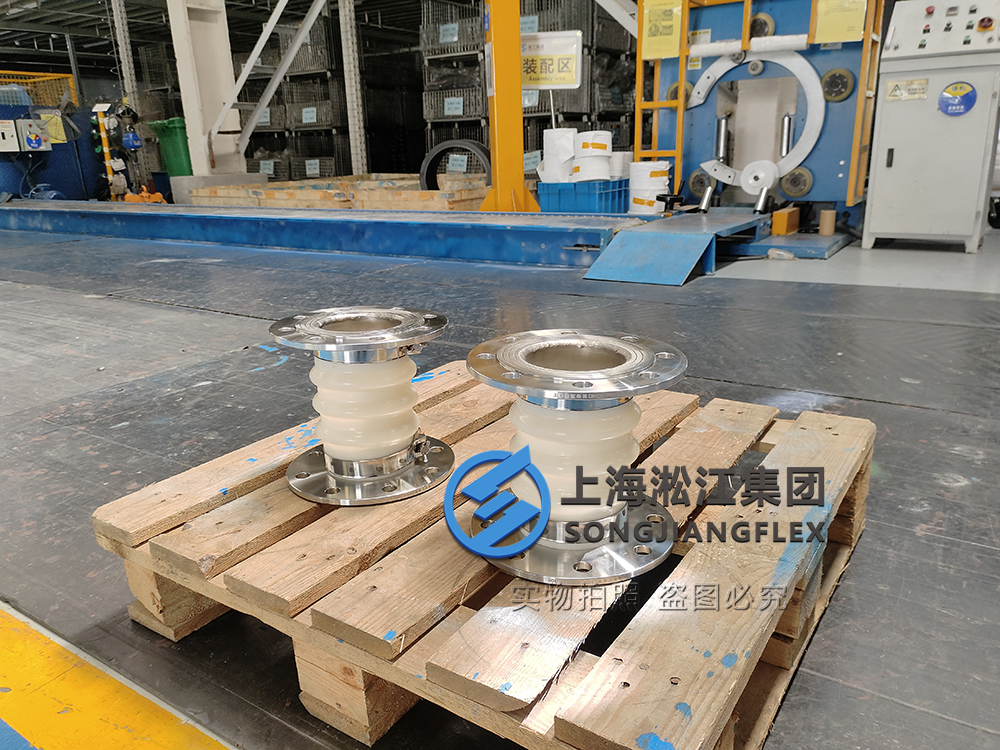
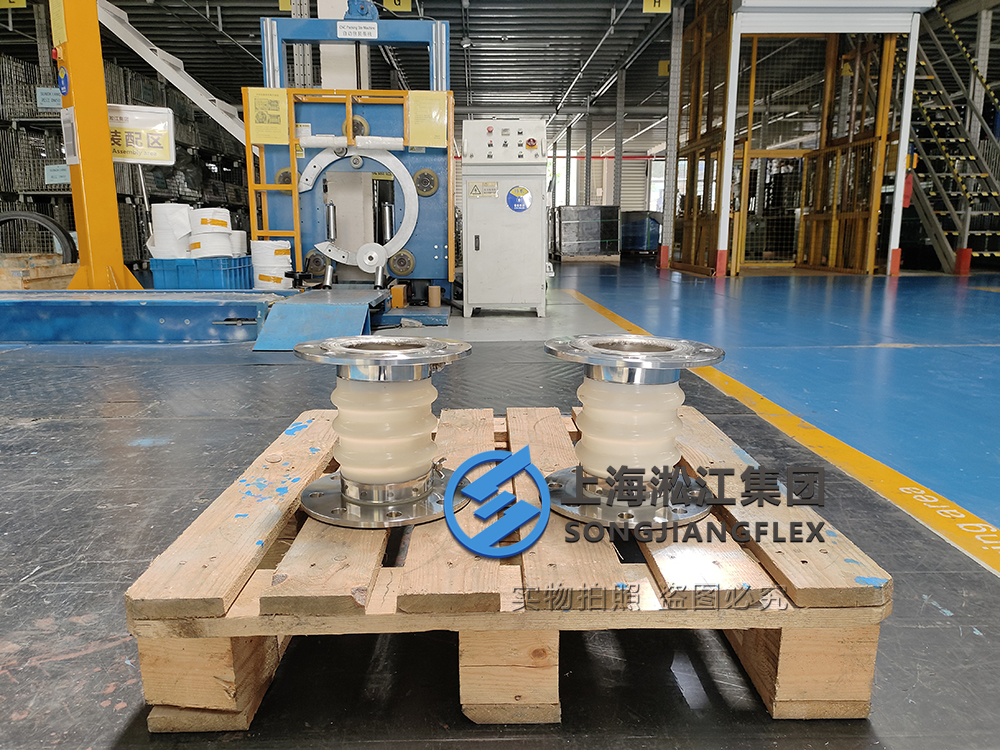
Daily Production Showcase from Factory
Advantages of Using BGF-PTFE Type PTFE Corrugated Expansion Joint
The BGF-PTFE Type PTFE Corrugated Expansion Joint offers a wide range of advantages that make it an essential component in modern piping systems, especially in industries such as chemical processing, pharmaceuticals, and food production. Its unique material composition and corrugated design allow it to address common pipeline challenges effectively. The following are the key advantages:
1. Exceptional Chemical Resistance
One of the most significant advantages of the BGF-PTFE expansion joint is its outstanding chemical resistance. Made from high-quality PTFE (Polytetrafluoroethylene), the joint is highly resistant to acids, alkalis, solvents, and other aggressive chemicals. This feature ensures that the expansion joint can be used in highly corrosive environments without degrading, which is especially important for chemical reactors, chemical transfer lines, and other high-risk chemical applications. By resisting chemical attack, the joint not only protects the pipeline but also extends the service life of the entire system.
2. High-Temperature Tolerance
PTFE is known for its ability to maintain structural integrity across a wide temperature range, typically from -60°C to +260°C. The BGF-PTFE expansion joint can therefore operate reliably in both extremely cold and high-temperature conditions. This makes it suitable for systems carrying hot liquids, steam, or other media that experience frequent temperature fluctuations. The ability to handle high temperatures without deformation or loss of flexibility ensures the joint provides consistent performance and reduces the risk of leaks or system failures.
3. Excellent Pressure Handling
The BGF-PTFE expansion joint is engineered to withstand high-pressure environments, with a pressure range typically up to 10.0MPa depending on the specific model. Its robust construction allows it to maintain performance even under fluctuating pressures, preventing pipeline stress and minimizing the risk of rupture. This makes it highly suitable for industrial applications where pressure surges or spikes are common, such as in pumping stations, chemical transfer lines, and pharmaceutical production systems.
4. Effective Vibration and Noise Absorption
Another key advantage is its ability to absorb vibration and reduce noise in the piping system. Pipelines connected to pumps, compressors, or other mechanical equipment often experience vibration that can lead to fatigue, cracks, or leaks. The corrugated structure of the BGF-PTFE expansion joint absorbs axial, lateral, and angular movements, reducing mechanical stress on the pipes and connected equipment. This not only prolongs the life of the pipeline but also contributes to a quieter, safer operating environment.
5. Hygienic and Contamination-Free Operation
In pharmaceutical and food industries, maintaining hygiene and preventing contamination are critical. PTFE is chemically inert and non-toxic, ensuring that it does not react with the transported media or introduce contaminants into the system. The BGF-PTFE expansion joint is ideal for clean-in-place (CIP) systems, food processing lines, and pharmaceutical production systems where purity and cleanliness are essential. Its smooth inner surface prevents bacterial growth and makes cleaning and sterilization easier, further ensuring product safety.
6. Flexibility and Easy Installation
The corrugated design of the expansion joint provides exceptional flexibility, allowing it to accommodate axial, lateral, and angular movements. This flexibility simplifies pipeline layout design, reduces the need for complex supports, and allows for easier alignment during installation. The joint also helps compensate for minor misalignments between flanges or pipes, preventing undue stress on the system. Its lightweight design and standard flanged connections make installation straightforward and efficient.
7. Long Service Life and Reliability
The combination of PTFE’s chemical resistance, high-temperature tolerance, and mechanical flexibility ensures a long service life for the BGF-PTFE expansion joint. Unlike other materials that may degrade, crack, or lose elasticity over time, PTFE maintains its properties under challenging operating conditions. When properly installed and maintained, these expansion joints provide reliable performance for many years, reducing maintenance costs and system downtime.
8. Customizable to Specific Requirements
Another advantage is its adaptability. The BGF-PTFE expansion joint can be customized in terms of diameter, length, flange type, and compensation capacity to meet specific operational needs. This ensures that it can be tailored to unique piping systems, providing optimal performance even in highly specialized or demanding applications. Customization also allows the joint to handle unique chemical compositions, extreme temperatures, or unusual mechanical movements that standard joints might not accommodate.
Conclusion:
The BGF-PTFE Type PTFE Corrugated Expansion Joint combines the unique properties of PTFE with a highly flexible corrugated design, offering outstanding chemical resistance, high-temperature tolerance, vibration absorption, and hygienic operation. Its adaptability, reliability, and long service life make it a superior solution for chemical, pharmaceutical, and food industry pipelines, ensuring system safety, reducing maintenance costs, and enhancing overall operational efficiency.